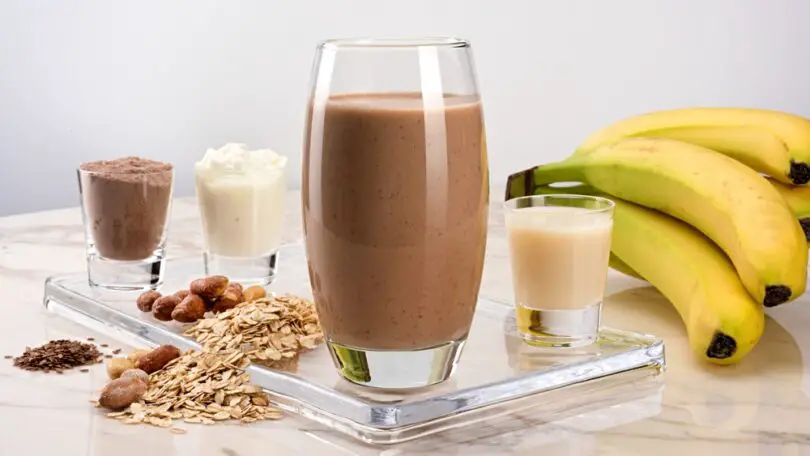

Many people ask if protein powder makes you gain weight. The answer is not simple. It depends on how you use it. This article will explain everything you need to know about protein powder and weight gain.

Credit: www.youtube.com
What Is Protein Powder?
Protein powder is a food supplement. It helps people get more protein in their diet. Protein is one of the main nutrients our body needs. It helps build muscles, repair tissues, and keep us healthy.
Protein powder comes from different sources. Some come from milk, like whey or casein. Others come from plants, like peas, rice, or soy. People use protein powder after workouts or as a snack.
How Does Weight Gain Happen?
To understand if protein powder makes you gain weight, we must first know how weight gain works. Weight gain happens when you eat more calories than you burn. Calories come from food and drinks. If you eat more calories than your body uses, the extra turns into fat.
Weight gain means your body stores extra energy. This energy can come from fats, carbs, or protein. So, any food can make you gain weight if you eat too much.
Can Protein Powder Cause Weight Gain?
Protein powder itself does not make you gain weight. It is just protein. Protein has calories, but fewer than fats and carbs per gram. One gram of protein has 4 calories. One gram of fat has 9 calories. One gram of carbs has 4 calories.
If you take protein powder and eat the same amount of food, you might not gain weight. But if you add protein powder to your regular food, you add calories. More calories can cause weight gain.
Example:
- You eat 2000 calories a day and maintain your weight.
- You add protein powder that has 150 calories.
- Your new total is 2150 calories.
- If you do not burn these extra calories, you will gain weight.
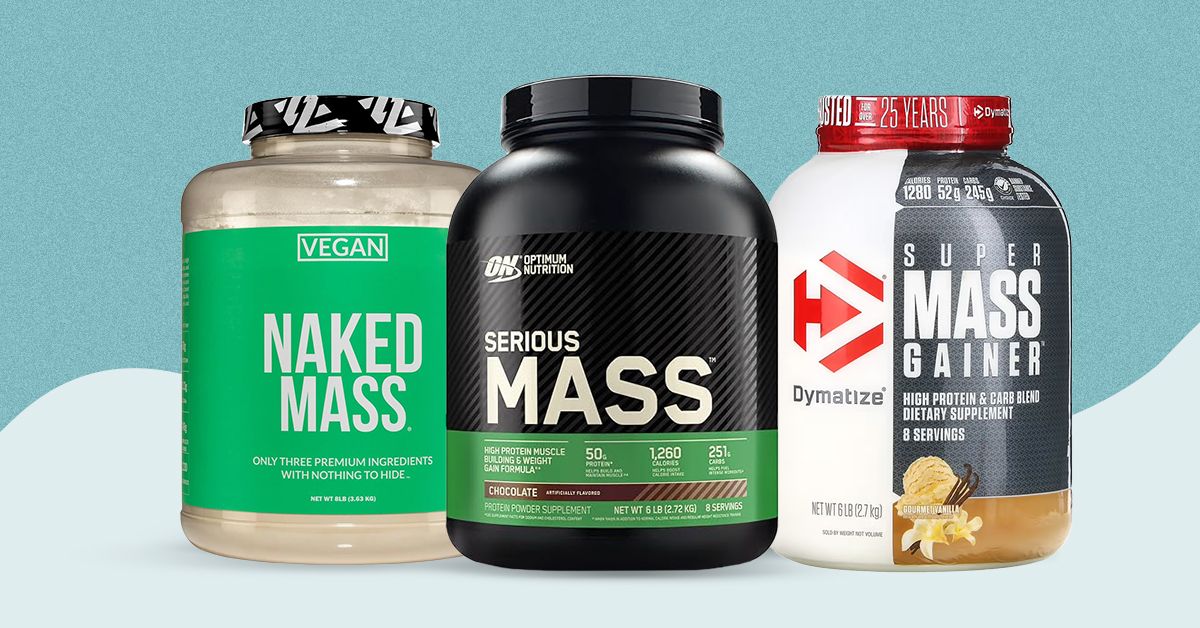
Credit: www.healthline.com
Protein Powder and Muscle Gain
Many people use protein powder to build muscle. Muscle gain can add weight, but it is healthy weight. Muscle is heavier than fat. It also helps your body burn more calories.
If you do strength training and use protein powder, you may see weight gain. This gain is mostly muscle. Muscle gain changes your body shape and makes you stronger.
How to Use Protein Powder Without Gaining Fat
If you want to avoid gaining fat, use protein powder carefully. Here are some tips:
| Tip | Explanation |
|---|---|
| Count Your Calories | Know how many calories you eat daily. Add protein powder calories to this number. |
| Use Protein Powder as a Replacement | Replace snacks or meals with protein shakes, not add them extra. |
| Exercise Regularly | Exercise burns calories and helps build muscle. |
| Choose Low-Calorie Protein Powders | Some powders have added sugars and fats. Avoid those. |
| Drink Water | Water helps digestion and keeps you full. |
Who Should Use Protein Powder?
Not everyone needs protein powder. Most people get enough protein from food. But some people may need extra protein. These include:
- Athletes who train hard
- People trying to build muscle
- People with busy lifestyles who skip meals
- Older adults who lose muscle with age
- Vegetarians or vegans who find it hard to get protein
If you are not sure, talk to a doctor or dietitian before using protein powder.
Common Mistakes with Protein Powder
Many people make mistakes when using protein powder. These mistakes can cause unwanted weight gain. Here are common errors:
- Using protein powder as a snack and eating full meals too
- Choosing protein powders with added sugar or fat
- Not exercising enough while adding protein powder
- Thinking protein powder alone builds muscle without exercise
- Ignoring total daily calories and eating too much
Protein Powder and Fat Gain: What You Need to Know
Protein powder does not directly cause fat gain. But eating too many calories does. If you drink protein shakes and eat a lot, you may gain fat. It is the same with any other food or drink.
Also, some protein powders have extra ingredients. These may add sugar and fat. That can increase calories and cause fat gain. Always read the label and check ingredients.
How Much Protein Do You Need?
Everyone needs protein, but amounts differ. It depends on age, activity, and health. A normal adult needs about 0.8 grams of protein per kilogram of body weight. For example, a 60 kg person needs about 48 grams of protein daily.
People who exercise a lot may need more, about 1.2 to 2 grams per kilogram. Protein powder can help reach these amounts.
Signs You Need More Protein
- Feeling very tired
- Muscle weakness or loss
- Slow healing of wounds
- Hair loss or weak nails
If you have these signs, you might need more protein. Protein powder can help in this case.
Summary
So, will protein powder gain weight? Protein powder itself does not cause weight gain. Weight gain happens when you eat more calories than you burn. Protein powder adds calories. If you add it to your normal food, you might gain weight.
If you want to build muscle, protein powder can help. Muscle gain adds healthy weight. To avoid fat gain, watch your calories and exercise regularly. Choose good quality protein powder without extra sugars or fats.
Remember, protein powder is a tool. How you use it matters most. Eat well, stay active, and use protein powder wisely.
Frequently Asked Questions
Does Protein Powder Make You Gain Weight Fast?
Protein powder alone does not cause quick weight gain. Weight gain depends on your total calorie intake and activity level.
Can Protein Powder Cause Fat Gain?
Protein powder adds calories, which can lead to fat gain if you eat too much. Balance your diet to avoid extra fat.
How Much Protein Powder Should I Take Daily?
Most adults need 20 to 30 grams of protein powder per day. Adjust based on your body weight and exercise routine.
Is Protein Powder Good For Weight Gain?
Protein powder helps build muscle, which can increase weight healthily. Combine it with strength training and enough calories.