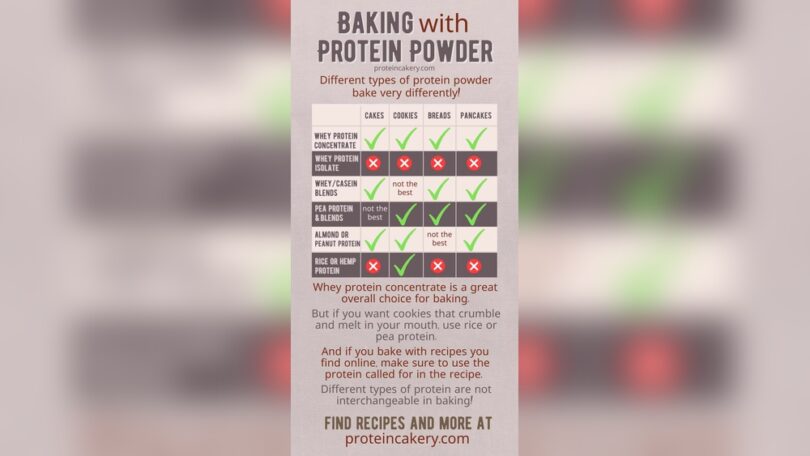

Baking is a fun way to make tasty treats. Many people like cakes, cookies, and bread. But what if you want your baked food to be healthier? Adding protein powder can help. This article will explain why using protein powder in baking is a good idea.
What Is Protein Powder?
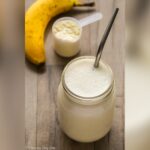
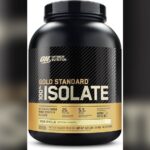
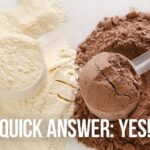
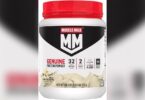
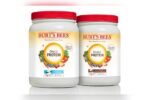
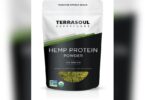
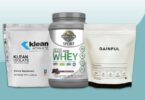
Protein powder is a food made from protein. It comes from animals or plants. Common types are whey, casein, soy, and pea protein. People use protein powder to add more protein to their food.
Protein helps your body grow strong. It helps muscles, skin, and bones stay healthy. Many people eat protein powder after exercise. But you can also add it to baking recipes.
Adding Protein Powder to Baking
You can mix protein powder in flour when baking. It works well in many recipes. Cakes, muffins, pancakes, and bread can all have protein powder.
Here are some reasons to use protein powder in baking:
- Increase Protein Content: Protein powder raises the protein in your food.
- Make Food More Filling: Protein helps you feel full longer.
- Improve Texture: Protein can make baked goods softer or chewier.
- Add Flavor: Some protein powders add nice tastes like chocolate or vanilla.
Why Protein Is Important
Protein is one of the most important nutrients. Your body needs it to build new cells. It helps repair muscles after exercise. It also supports your immune system.
Many people do not eat enough protein every day. Using protein powder in baking makes it easier to get enough protein. This is especially helpful for kids, athletes, and older adults.
How Protein Powder Changes Baking
Adding protein powder changes the way baked food feels and tastes. It can make cakes more dense or bread more chewy. This is because protein affects the dough or batter.
When you bake with protein powder, you might need to change other ingredients. For example, adding more liquid can help balance the mix. You can also reduce flour a little to keep the right texture.
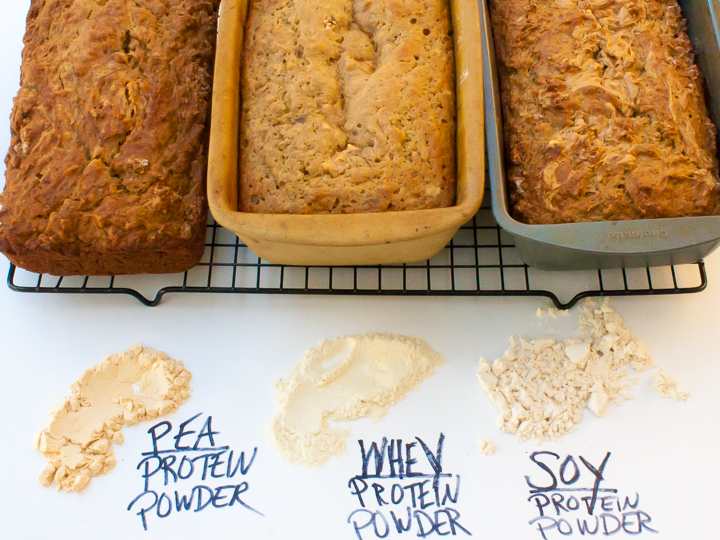
Credit: teaspoonofspice.com
Types of Protein Powder for Baking
| Protein Type | Source | Best Uses in Baking | Taste and Texture |
|---|---|---|---|
| Whey Protein | Milk | Cakes, muffins, pancakes | Light taste, smooth texture |
| Casein Protein | Milk | Bread, cookies | Thick texture, creamy taste |
| Soy Protein | Soybeans | Brownies, bread | Neutral taste, chewy texture |
| Pea Protein | Peas | Muffins, pancakes | Earthy taste, soft texture |
Tips for Using Protein Powder in Baking
Here are some easy tips to use protein powder well when baking:
- Start by replacing a small part of the flour with protein powder.
- Use about 1/4 to 1/3 cup of protein powder for every cup of flour.
- Add extra liquid if the batter feels too thick.
- Mix protein powder well with dry ingredients before adding wet ingredients.
- Be ready for a slightly different taste or texture.
- Try different protein powders to find your favorite taste.
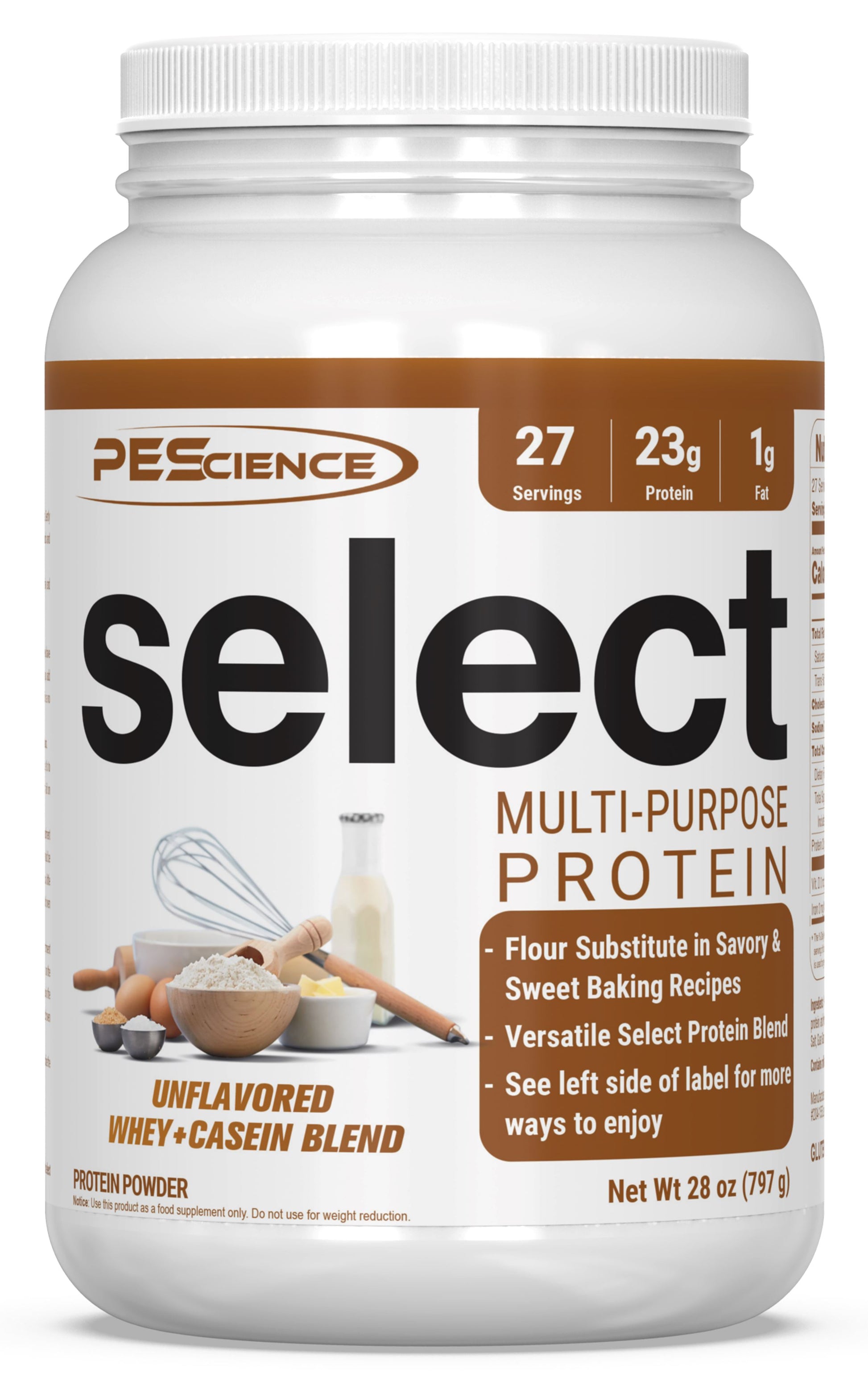
Credit: pescience.com
Healthy Benefits of Protein Powder in Baking
Protein powder adds more than just protein. It can make your baked goods healthier overall. Here are some benefits:
- Better Muscle Health: Protein helps muscles grow and repair.
- Weight Control: Protein keeps you full, so you eat less later.
- Energy Boost: Protein gives your body steady energy.
- Supports Immune System: Protein helps your body fight sickness.
When you use protein powder in baking, your snacks become better fuel for your body.
Easy Protein Powder Baking Recipe
Here is a simple recipe to try protein powder in baking:
Protein Pancakes
- 1 cup flour
- 1/4 cup protein powder
- 1 tablespoon sugar
- 1 teaspoon baking powder
- 1 cup milk
- 1 egg
- 1 tablespoon oil
How to make:
- Mix flour, protein powder, sugar, and baking powder in a bowl.
- In another bowl, beat milk, egg, and oil.
- Combine wet and dry ingredients. Stir until smooth.
- Heat a pan and pour batter to make pancakes.
- Cook until bubbles form, then flip and cook the other side.
- Serve warm with your favorite toppings.
Common Mistakes to Avoid
Sometimes, people make mistakes when baking with protein powder. Here are some to watch out for:
- Using too much protein powder can make baked goods dry.
- Not adding enough liquid can make batter thick and hard to cook.
- Ignoring taste changes – protein powder may add new flavors.
- Not mixing protein powder well can cause lumps.
Be careful and adjust your recipe as needed.
Frequently Asked Questions
What Are The Benefits Of Using Protein Powder In Baking?
Protein powder adds extra protein to baked goods, making them more filling. It also improves texture and can boost nutrition without changing taste much.
Can Protein Powder Replace Flour In Baking Recipes?
Protein powder can partially replace flour but not fully. Too much protein powder may make baked goods dry or dense.
Which Protein Powder Is Best For Baking?
Whey protein and plant-based powders like pea or soy work well. Choose unflavored or mildly flavored powders for better taste.
How Much Protein Powder Should I Add To Recipes?
Start by replacing 1/4 to 1/3 of the flour with protein powder. Adjust based on texture and taste preferences.
Conclusion
Using protein powder in baking is a smart way to make food healthier. It adds protein to your favorite treats. This helps your body stay strong and full of energy.
Protein powder also changes the texture and taste of baked goods. This can be fun to try. With some practice, you will find the best way to bake with protein powder.
Try adding protein powder to your next baking recipe. Enjoy tasty, healthy, and filling food. Baking with protein powder is easy and good for you.