Many people wonder about supplements. They ask, “What supplements should I take?” The answer depends on many things. Age, diet, health, and lifestyle all matter. This article will help you understand which supplements might be good for you. We will keep things simple and clear.
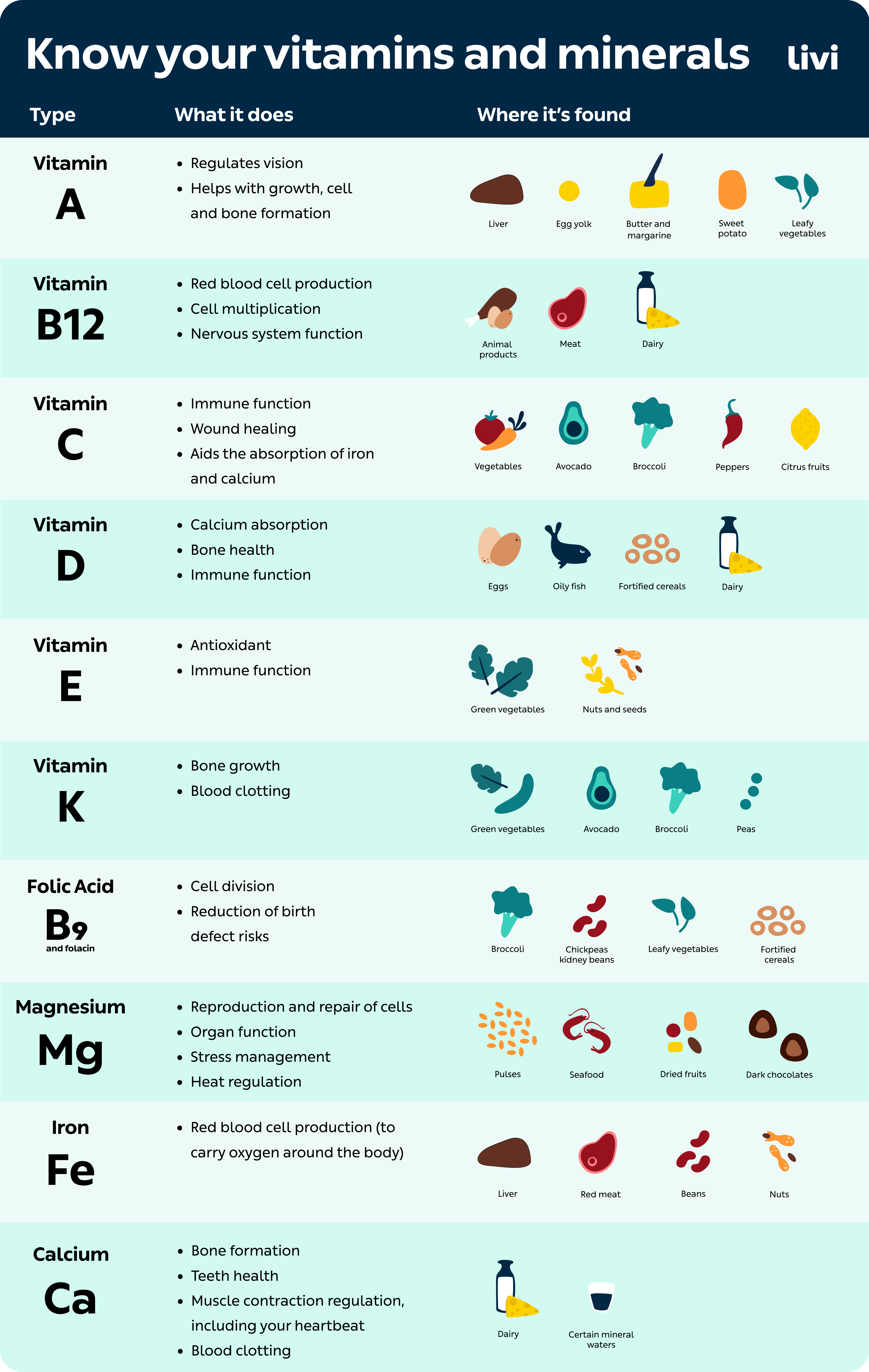
Credit: www.livi.co.uk
What Are Supplements?
Supplements are things you take to add more nutrients to your body. They come in pills, powders, or liquids. Some have vitamins, minerals, or other healthy ingredients. People take supplements to fill gaps in their diet. Sometimes, they want more energy or better health.
Do You Need Supplements?
Before taking any supplements, ask yourself:
Do I eat a balanced diet?
Do I have health problems?
Am I getting enough vitamins and minerals?
What do doctors say about supplements?
If you eat many fruits, vegetables, and healthy foods, you might not need many supplements. But some people do need extra help.
Common Supplements to Consider
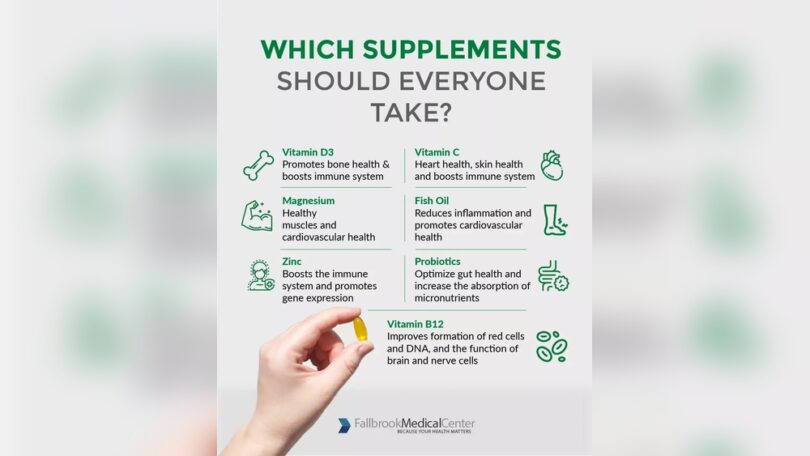
Here are some common supplements many people take. They can help when your diet lacks certain nutrients.
1. Multivitamins
Multivitamins have many vitamins and minerals in one pill. They cover many needs at once. Taking a multivitamin can help if your diet is not perfect. But they are not a substitute for healthy food. Always choose a multivitamin made for your age and gender.
2. Vitamin D
Vitamin D is important for strong bones and teeth. Many people do not get enough sunlight, which helps the body make vitamin D. If you live in a place with little sun, you might need vitamin D supplements. It also helps the immune system stay strong.
3. Omega-3 Fatty Acids
Omega-3s come from fish oil or plants like flaxseeds. They help the heart and brain work well. If you do not eat fish often, omega-3 supplements can be helpful. They also reduce inflammation and support eye health.
4. Calcium
Calcium is needed for strong bones and teeth. Kids, teens, and older adults need enough calcium. If you do not drink milk or eat dairy, you might need calcium supplements. Calcium works best when taken with vitamin D.
5. Iron
Iron helps carry oxygen in the blood. Many women and children need more iron. If you feel tired or weak, you might have low iron. Iron supplements can help, but too much iron can be bad. Check with a doctor first.
6. Probiotics
Probiotics are good bacteria for your gut. They help with digestion and keep the stomach healthy. You can find probiotics in yogurt or supplements. They may help if you have stomach problems or after taking antibiotics.
How to Choose the Right Supplements
Choosing supplements can be hard. Here are some tips to help you pick the best ones:
Talk to a doctor: Always ask a doctor before starting supplements.
Know your needs: Think about your diet and health issues.
Check labels: Look for trusted brands and clear ingredient lists.
Avoid too much: More is not always better. Too many vitamins can harm you.
Follow instructions: Take the dose as the label says.
Supplements for Different Groups of People
Different people may need different supplements. Here is a quick guide:
Group
Common Supplements
Why?
Children
Multivitamins, Vitamin D
Support growth and strong bones
Pregnant Women
Folic Acid, Iron, Calcium
Help baby’s development and mother’s health
Older Adults
Vitamin D, Calcium, B12
Maintain bones, brain, and energy
Vegetarians/Vegans
Vitamin B12, Iron, Omega-3
Fill gaps from animal product absence
People with Health Issues
Varies by condition
Support treatment and recovery
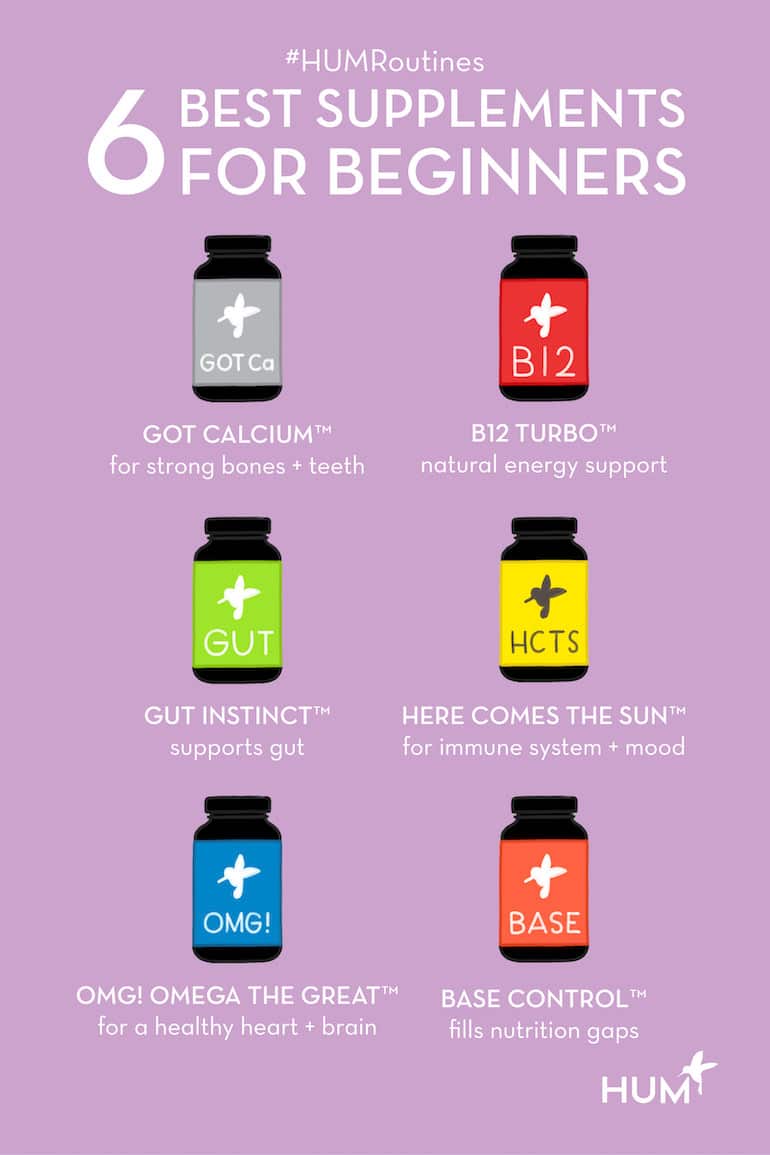
Credit: www.humnutrition.com
Supplements Are Not Medicine
Remember, supplements are not medicine. They help your body stay healthy. If you are sick, see a doctor. Supplements cannot cure diseases. They only support your health.
Also, some supplements can interact with medicines. This can cause problems. Tell your doctor about all supplements you take.
Natural Food First
Supplements are useful, but food is better. Whole foods give your body more than just vitamins. Fruits, vegetables, grains, and proteins have fiber, antioxidants, and many nutrients. Try to eat a healthy diet first. Use supplements only when needed.
Signs You Might Need Supplements
You may need supplements if you feel:
Tired all the time
Weak or dizzy
Have trouble concentrating
Get sick often
Have changes in skin or hair
These signs could mean you lack certain nutrients. But don’t guess. See a doctor for tests and advice.
How to Take Supplements Safely
Taking supplements safely is very important. Follow these rules:
Take the right dose. More is not better.
Take supplements with food if needed.
Store supplements in a cool, dry place.
Keep supplements away from children.
Stop taking any supplement if you feel bad.
Tell your doctor about all supplements you use.
Frequently Asked Questions
What Are The Best Supplements For Overall Health?
Multivitamins cover many nutrient needs in one pill. Fish oil supports heart and brain health. Probiotics help balance gut bacteria.
Should I Take Supplements For Energy Boost?
B vitamins help convert food into energy. Iron supports oxygen in your blood. Avoid caffeine supplements for steady energy.
Can Supplements Replace A Healthy Diet?
Supplements add nutrients but don’t replace real food. Whole foods provide fiber and antioxidants. Use supplements to fill gaps only.
Which Supplements Help Improve Immune System?
Vitamin C and zinc support your immune defenses. Vitamin D also plays a key role. A balanced diet helps immunity too.
Conclusion
So, what supplements should you take? It depends on your diet, health, and age. Multivitamins, vitamin D, omega-3, calcium, and iron are common choices. But always talk to a doctor first. Never replace healthy food with supplements. Use them to support your health, not as a fix.
Take care of your body with good food, exercise, and rest. Supplements can help, but they are just one part of good health. Make smart choices and stay healthy!
Hey! My name is Steve M. Ford and I am a fitness expert. I have been working in the fitness industry for over 10 years, and I have a lot of experience and knowledge to share with others. I am 6’0″ tall and weigh 149.2 pounds. I am in the best shape of my life and I want to help others achieve the same level of fitness and health. I have a lot of advice to share when it comes to diet, exercise, and overall health. I believe that living a healthy lifestyle is one of the most important things you can do for yourself, and I am passionate about helping others achieve this.