
Omega 3 is very important for our body and brain. Many people want to take omega 3 supplements. But which one is the best? This article will help you understand omega 3 supplements. It will also guide you to choose the right one.
What is Omega 3?
Omega 3 is a kind of fat. But it is a good fat. Our body needs it to stay healthy. Omega 3 helps our heart, brain, and eyes work well. It also helps reduce inflammation and keep our joints healthy.
Our body cannot make omega 3. So, we need to get it from food or supplements. Fish like salmon and mackerel have a lot of omega 3. But not everyone eats fish. That is why many people take omega 3 supplements.
Types of Omega 3
There are three main types of omega 3:
- EPA (Eicosapentaenoic Acid) – helps heart and brain health.
- DHA (Docosahexaenoic Acid) – important for brain and eyes.
- ALA (Alpha-Linolenic Acid) – found in plants, needs to change into EPA and DHA in the body.
Most omega 3 supplements give EPA and DHA. These are the best forms for the body.
Why Take Omega 3 Supplements?
Sometimes, people do not get enough omega 3 from food. This can happen if you do not eat fish or nuts often. Also, some people need more omega 3 for health reasons.
Taking omega 3 supplements can help with:
- Heart health
- Brain function and memory
- Reducing inflammation
- Improving eye health
- Supporting joint health
How to Choose the Best Omega 3 Supplement?
There are many omega 3 supplements in the market. How do you find the best one? Here are some simple tips:
1. Check The Type Of Omega 3
Look for supplements with EPA and DHA. These are the most useful omega 3 types. Some supplements only have ALA. ALA is less effective because the body changes it slowly.
2. Look At The Amount Of Omega 3
Check how much EPA and DHA are in each serving. A good omega 3 supplement has at least 500 mg of combined EPA and DHA per dose.
3. Choose High-quality Ingredients
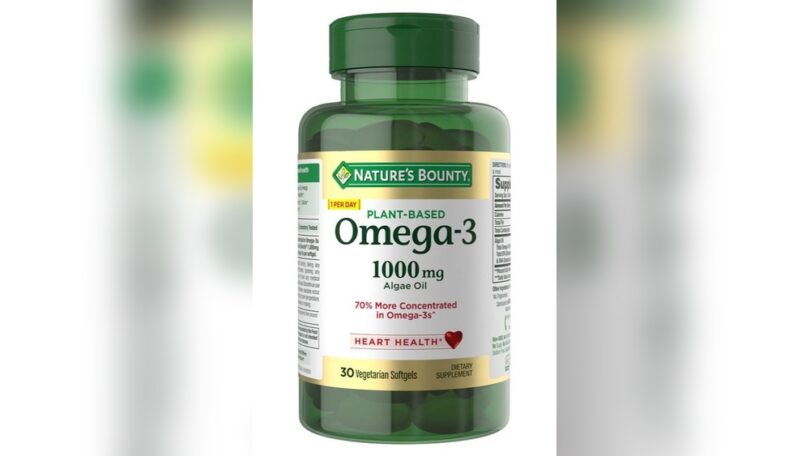
Good omega 3 supplements come from clean fish oil or algae oil. Fish oil should be free from mercury and heavy metals. Algae oil is a good choice for vegetarians and vegans.
4. Check For Purity And Freshness
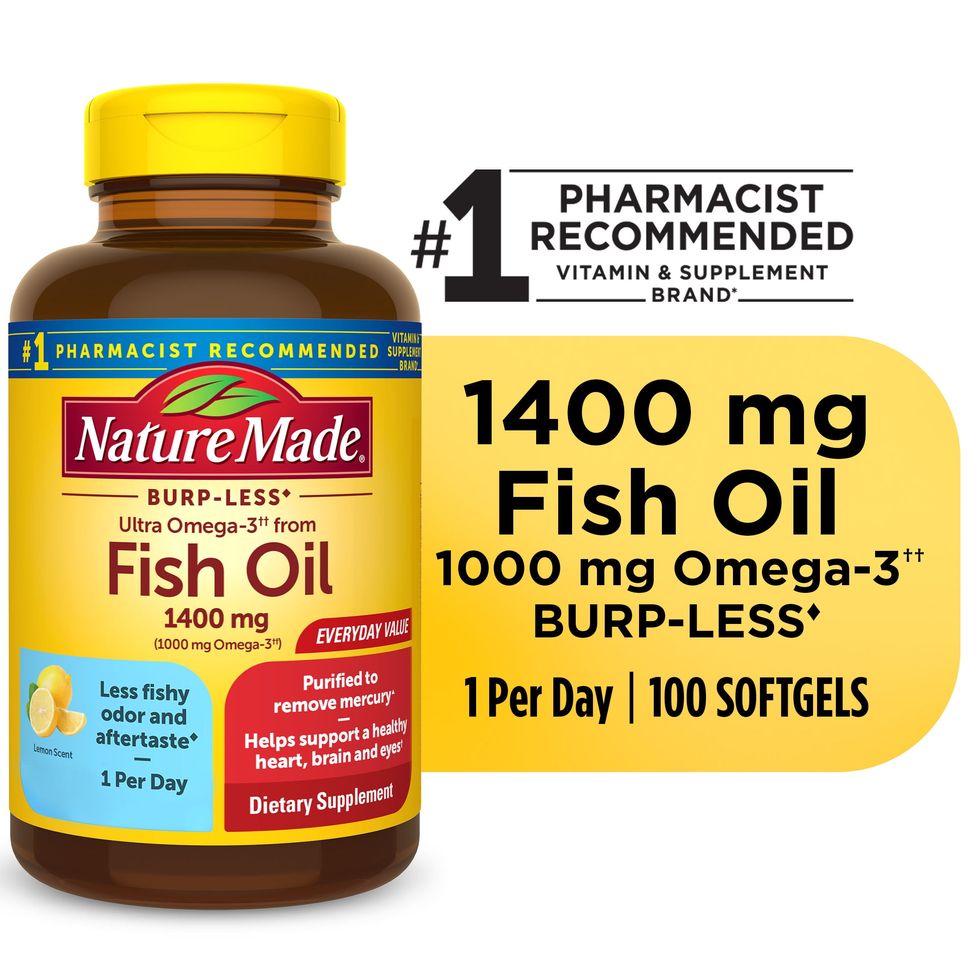
Omega 3 can go bad and smell fishy. Choose brands that test for purity. Look for terms like “third-party tested” or “IFOS certified.” These tests check for quality and safety.
5. Consider The Form Of The Supplement
Omega 3 supplements come in capsules, liquids, or gummies. Capsules are easy to take and do not taste fishy. Liquids can be mixed with drinks. Gummies taste good but may have less omega 3.
6. Think About Your Dietary Needs
If you are vegetarian or vegan, choose algae-based omega 3. If you have allergies to fish, avoid fish oil supplements. Always read labels for allergens.

Credit: www.everydayhealth.com
Types of Omega 3 Supplements Explained
There are different omega 3 supplements to choose from. Here is a table to help you understand them better:
| Type | Source | Good For | Notes |
|---|---|---|---|
| Fish Oil | Fatty fish like salmon, mackerel | Most people who eat fish | High EPA & DHA, watch for purity |
| Krill Oil | Small sea creatures called krill | People wanting easier absorption | Contains antioxidants, more expensive |
| Algae Oil | Marine algae | Vegetarians, vegans, and fish allergy sufferers | Rich in DHA, sustainable source |
| Flaxseed Oil | Flax seeds (plant source) | People who want ALA omega 3 | Body converts ALA to EPA/DHA slowly |
| Cod Liver Oil | Cod fish liver | People needing vitamins A and D too | Contains vitamins A and D, watch vitamin levels |
Recommended Omega 3 Dosage
The right dose depends on your age and health.
Most adults need about 250 to 500 mg of EPA and DHA daily. Some people may need more. For example, those with heart problems may need higher doses.
Always talk to a doctor before starting any supplement. They can tell you the right dose for you.
Tips for Taking Omega 3 Supplements
- Take supplements with meals to help absorption.
- Store supplements in a cool, dry place.
- Check expiration dates before buying.
- If you feel fishy burps, try taking supplements with food or switch brands.
- Do not take more than recommended dose without doctor advice.
Credit: www.goodhousekeeping.com
Are There Any Side Effects?
Omega 3 supplements are safe for most people. But some may have mild side effects like:
- Fishy aftertaste or burps
- Stomach upset or nausea
- Loose stools or diarrhea
If you have bleeding problems or take blood thinners, talk to your doctor. Omega 3 can thin blood and affect medicine.
Summary: What is the Best Omega 3 Supplement?
The best omega 3 supplement has these qualities:
- Contains both EPA and DHA
- Made from high-quality, pure ingredients
- Third-party tested for safety
- Fits your diet and lifestyle
- Has the right dose for your needs
Fish oil and algae oil are the most common and good choices. If you are vegetarian, go for algae oil. If you want easy absorption, krill oil can help. Avoid supplements with only ALA, if possible.
Remember, omega 3 supplements are not a magic cure. They work best with a healthy diet and lifestyle. Eating fish, nuts, and seeds also helps get omega 3 naturally.
Always check with a healthcare professional before starting any new supplement. This is the best way to stay safe and healthy.
Final Thought
Choosing the best omega 3 supplement is simple. Look for EPA and DHA amounts. Pick pure and tested products. Think about your needs and preferences. With this guide, you can find a good omega 3 supplement that helps your health.
Frequently Asked Questions
What Are The Top Benefits Of Omega 3 Supplements?
Omega 3 supports heart health and brain function. It also helps reduce inflammation and improve eye health.
How To Choose The Best Omega 3 Supplement?
Look for high EPA and DHA levels. Check for purity, freshness, and third-party testing.
Can Omega 3 Supplements Improve Mental Health?
Yes, omega 3 may reduce anxiety and depression symptoms. It supports brain cell communication.
What Is The Recommended Daily Dose Of Omega 3?
Most adults need 250-500 mg of EPA and DHA daily. Consult a doctor for personal advice.