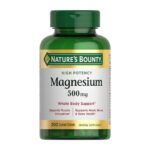
Magnesium is an important mineral for your body. It helps your muscles, bones, and nerves work well. Many people do not get enough magnesium from food. That is why some take magnesium supplements.
But, what is the best magnesium supplement? There are many types. Each type has different benefits. Some work better for sleep. Others help with muscle pain. This article will explain the most common types. It will also help you choose the best one for you.
Why Do People Take Magnesium Supplements?
Magnesium is needed for over 300 body functions. It helps with energy, muscle relaxation, and keeping the heart healthy.
Sometimes, people have low magnesium levels. This can cause tiredness, cramps, or weak bones. Older adults, athletes, and people with health problems may need more magnesium.
Because of this, magnesium supplements are popular. But not all supplements are the same. Some are easier for the body to absorb. Some cause less stomach upset. This is important to know before buying.
Types of Magnesium Supplements
There are many forms of magnesium. Here are the most common ones:
Type
Use
Absorption
Notes
Magnesium Citrate
Helps with digestion and constipation
Good
May cause loose stools
Magnesium Oxide
Used for constipation and heartburn
Poor
Less absorbed, may upset stomach
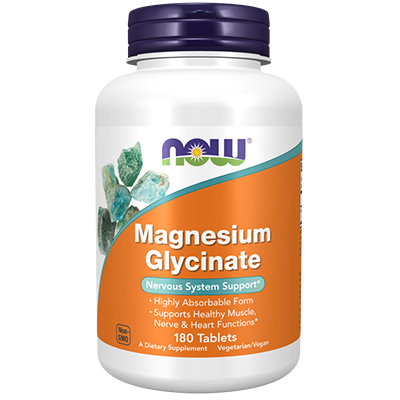
Magnesium Glycinate
Helps with sleep and anxiety
Very good
Gentle on stomach
Magnesium Malate
Good for energy and muscle pain
Good
May increase energy
Magnesium Chloride
Used for detox and skin health
Good
Can be used on skin
Magnesium Sulfate
Used in baths for muscle pain
Moderate
Not for oral use often
Magnesium L-Threonate
Supports brain health and memory
Good
Newer form, more research needed
How to Choose the Best Magnesium Supplement
Choosing the right magnesium depends on your needs.
1. If You Need Better Sleep
Magnesium glycinate is often best. It is gentle and helps you relax.
2. If You Have Constipation
Magnesium citrate or oxide can help. Citrate works faster but may cause loose stools.
3. If You Want Energy
Magnesium malate can give you a small energy boost. It helps muscles work better.
4. For Brain Health
Magnesium L-threonate is good. It may support memory and focus.
5. For Skin Or Detox
Magnesium chloride can be applied on skin. It helps with detox and skin hydration.
Absorption: Why It Matters
Absorption means how much magnesium your body can use. Some forms are absorbed better than others.
For example, magnesium oxide is cheap but poorly absorbed. That means less magnesium reaches your body. Magnesium glycinate and citrate absorb well. They give you more magnesium.
Good absorption means better results. It also means you need smaller doses. This reduces side effects like stomach upset.
Possible Side Effects
Magnesium supplements can cause mild side effects. These include:
Diarrhea
Stomach pain
Nausea
These usually happen if you take too much. Start with a small dose. Increase slowly if needed.
Some forms cause more stomach upset. For example, magnesium oxide can bother your tummy. Magnesium glycinate is gentler.
Magnesium Dosage Recommendations
The amount of magnesium you need depends on age and gender.
Age Group
Recommended Magnesium (mg/day)
Children 4-8 years
130 mg
Children 9-13 years
240 mg
Teens 14-18 years (boys)
410 mg
Teens 14-18 years (girls)
360 mg
Adults (men)
400-420 mg
Adults (women)
310-320 mg
Pregnant women
350-360 mg
Supplements should not exceed the upper limit of 350 mg per day from supplements alone. Too much magnesium can cause diarrhea.
Tips for Taking Magnesium Supplements
Take magnesium with food to reduce stomach upset.
Split your dose if you take a large amount.
Drink plenty of water.
Talk to your doctor before starting supplements.
Do not take magnesium with certain medicines without advice.
Natural Sources of Magnesium
Supplements are good, but food is best. Many foods have magnesium:
Green leafy vegetables like spinach
Nuts and seeds
Whole grains
Beans and lentils
Fish
Bananas
Avocados
Eating these foods can help keep your magnesium level normal.
Credit: www.sleepadvisor.org
Credit: www.goodhousekeeping.com
Frequently Asked Questions
What Is The Best Form Of Magnesium Supplement?
Magnesium citrate and magnesium glycinate are popular for good absorption. They work well for most people.
How Much Magnesium Should Adults Take Daily?
Adults typically need 310-420 mg per day. The exact amount depends on age and gender.
Can Magnesium Supplements Help With Sleep Problems?
Yes, magnesium may improve sleep quality. It helps relax muscles and calm the mind.
Are Magnesium Supplements Safe For Daily Use?
Most magnesium supplements are safe if taken as directed. Avoid taking too much to prevent side effects.
Conclusion
Magnesium is important for health. Many people need extra magnesium. Supplements can help.
Choosing the best supplement depends on your needs. For sleep, choose magnesium glycinate. For digestion, try magnesium citrate. For brain health, magnesium L-threonate may help.
Look for supplements with good absorption. Avoid high doses that cause side effects.
Remember, food is the best source. Use supplements if needed. Talk to your doctor to find what is best for you.
Now you know the basics about magnesium supplements. Choose wisely for your health.
Hey! My name is Steve M. Ford and I am a fitness expert. I have been working in the fitness industry for over 10 years, and I have a lot of experience and knowledge to share with others. I am 6’0″ tall and weigh 149.2 pounds. I am in the best shape of my life and I want to help others achieve the same level of fitness and health. I have a lot of advice to share when it comes to diet, exercise, and overall health. I believe that living a healthy lifestyle is one of the most important things you can do for yourself, and I am passionate about helping others achieve this.