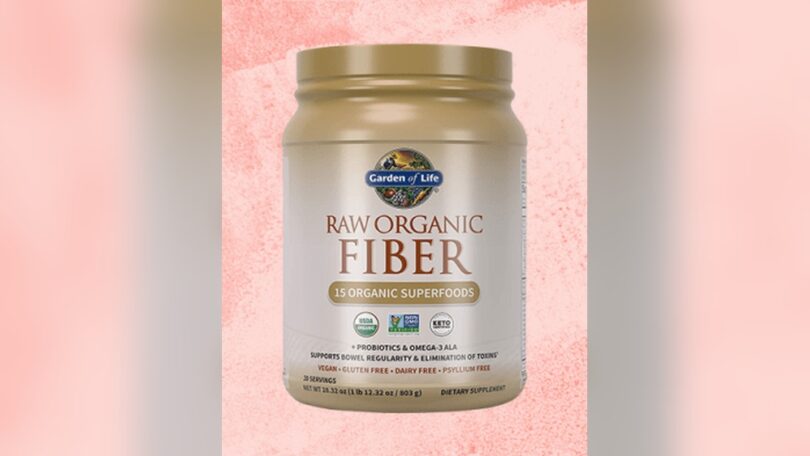

Fiber is very important for good health. It helps your digestion and keeps you full longer. But many people do not eat enough fiber every day. This is where fiber supplements can help. Choosing the right fiber supplement is key. This article will help you find the best fiber supplements.
Why Do We Need Fiber?
Fiber is a part of plants. It is the part your body cannot digest. It helps food move through your stomach and intestines. This is good for your digestion.
Fiber also helps lower bad cholesterol and controls blood sugar levels.
It can help you feel full. So, it is good if you want to control your weight.
Most adults need about 25 to 30 grams of fiber every day.
But many people eat less than 15 grams daily.
That is why fiber supplements are useful.
Credit: www.medicalnewstoday.com
Types of Fiber
There are two main types of fiber:
- Soluble fiber: This type dissolves in water and forms a gel. It helps slow digestion and lowers cholesterol.
- Insoluble fiber: This type does not dissolve in water. It helps food move faster through the gut and prevents constipation.
Good fiber supplements should have one or both types.
Common Fiber Supplements
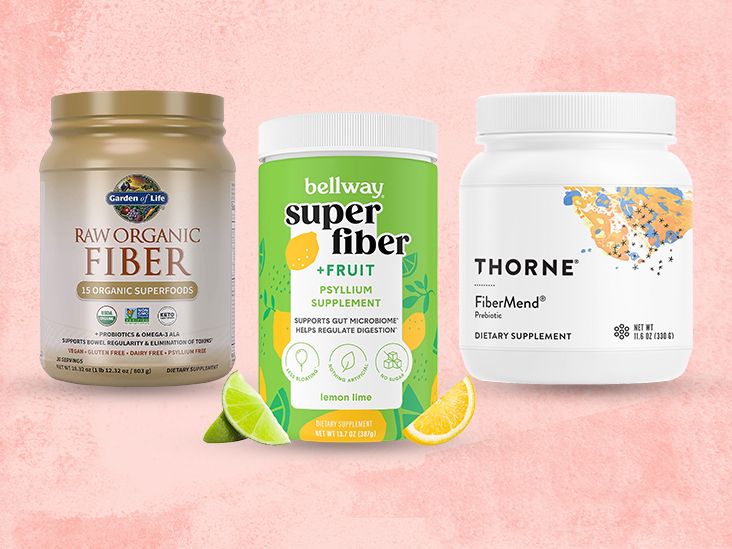
Many fiber supplements are available. Here are some popular ones:
| Fiber Supplement | Type of Fiber | Key Benefits |
|---|---|---|
| Psyllium Husk | Soluble and Insoluble | Helps digestion, lowers cholesterol, good for heart health |
| Inulin | Soluble | Feeds good gut bacteria, helps digestion |
| Methylcellulose | Soluble | Relieves constipation, easy on the stomach |
| Wheat Dextrin | Soluble | Improves digestion, tasteless and mixes well |
| Calcium Polycarbophil | Insoluble | Helps with constipation and diarrhea |
Best Fiber Supplements Explained
Psyllium Husk
Psyllium husk is a popular fiber supplement. It comes from a plant seed. This fiber can absorb water and form a gel. This helps your stool stay soft and easy to pass.
Psyllium is good if you want both soluble and insoluble fiber. It can also help lower bad cholesterol and control blood sugar.
People with heart problems often use psyllium. It helps keep the heart healthy.
Inulin
Inulin is a soluble fiber found in plants like chicory root. It is a prebiotic. This means it feeds good bacteria in your gut.
Good bacteria help your digestion and immune system. Inulin can also help you feel full longer.
It is often added to foods or taken as powder.
Methylcellulose
Methylcellulose is a type of soluble fiber. It is made from cellulose, a plant fiber.
This supplement helps relieve constipation gently. It does not cause gas or bloating like some fibers.
It works by absorbing water and softening stool.
Wheat Dextrin
Wheat dextrin is a soluble fiber. It is made from wheat starch.
It is easy to mix with water or juice. It has little taste.
Wheat dextrin helps digestion and supports gut health.
Calcium Polycarbophil
Calcium polycarbophil is mostly insoluble fiber.
It works by absorbing water and adding bulk to stool.
This fiber can help with constipation and also diarrhea.
:max_bytes(150000):strip_icc()/best-fiber-supplements-for-digestion-health-tout-cc5f01732f1e466e83fd0869b29596db.jpg "What Fiber Supplements are Best: Top Picks for Ultimate Digestion 3")
Credit: www.verywellfit.com
How to Choose the Best Fiber Supplement
Not all fiber supplements are the same. It is important to pick the right one for you.
Consider these points:
- Your health needs: Do you want better digestion, lower cholesterol, or weight control?
- Type of fiber: Soluble, insoluble, or both?
- Tolerance: Some fibers cause gas or bloating.
- Ease of use: Powder, capsule, or chewable?
- Allergies: Some fibers come from wheat or other allergens.
Tips for Using Fiber Supplements
Follow these tips for best results:
- Start with a small dose. Increase slowly each day.
- Drink plenty of water with your fiber supplement.
- Take fiber supplements with food if you have stomach upset.
- Check the label for serving size and instructions.
- Be patient. Fiber takes time to work well.
Potential Side Effects
Fiber supplements are safe for most people. But some may feel side effects.
Common issues include:
- Gas
- Bloating
- Stomach cramps
To avoid this, increase fiber slowly. Also, drink more water.
If you have a health condition, ask your doctor before using supplements.
Natural Ways to Get Fiber
Fiber supplements help, but natural foods are best. Here are some foods rich in fiber:
- Fruits like apples, pears, and berries
- Vegetables like carrots, broccoli, and spinach
- Whole grains like brown rice, oats, and whole wheat bread
- Legumes like beans, lentils, and chickpeas
- Nuts and seeds
Try to eat a variety of these foods every day.
Summary
Fiber is very important for good health. Many people do not get enough fiber. Fiber supplements can help. Psyllium husk is one of the best choices.
Inulin feeds good gut bacteria. Methylcellulose helps with constipation without gas.
Wheat dextrin is easy to use and tasteless. Calcium polycarbophil helps with both constipation and diarrhea.
Pick a supplement based on your needs. Start slow and drink water.
Remember, natural foods should be your first choice.
Frequently Asked Questions
What Are The Best Fiber Supplements For Digestive Health?
Fiber supplements like psyllium husk and methylcellulose support digestion well. They help soften stool and reduce constipation naturally.
How Do Fiber Supplements Improve Bowel Movements?
Fiber absorbs water and adds bulk to stool. This makes bowel movements easier and more regular.
Can Fiber Supplements Help With Weight Loss?
Yes, fiber helps you feel full longer, reducing hunger. This can support healthy weight management.
What Fiber Supplement Is Best For Ibs Symptoms?
Psyllium husk is gentle and often recommended for IBS. It balances bowel movements without causing irritation.