Magnesium is an important mineral for the human body. It helps many parts work well every day. Sometimes, people do not get enough magnesium from food. That is when a magnesium supplement can help. But what does a magnesium supplement do? This article will explain it clearly.
What Is Magnesium?
Magnesium is a mineral found in the earth, water, and food. We need it to live and stay healthy. Our body uses magnesium in many ways. It helps muscles, bones, nerves, and the heart work properly.
You get magnesium from foods like nuts, green vegetables, and whole grains. But some people don’t eat enough of these foods. Also, some health problems or medicines can lower magnesium in the body. That is why some people take magnesium supplements.
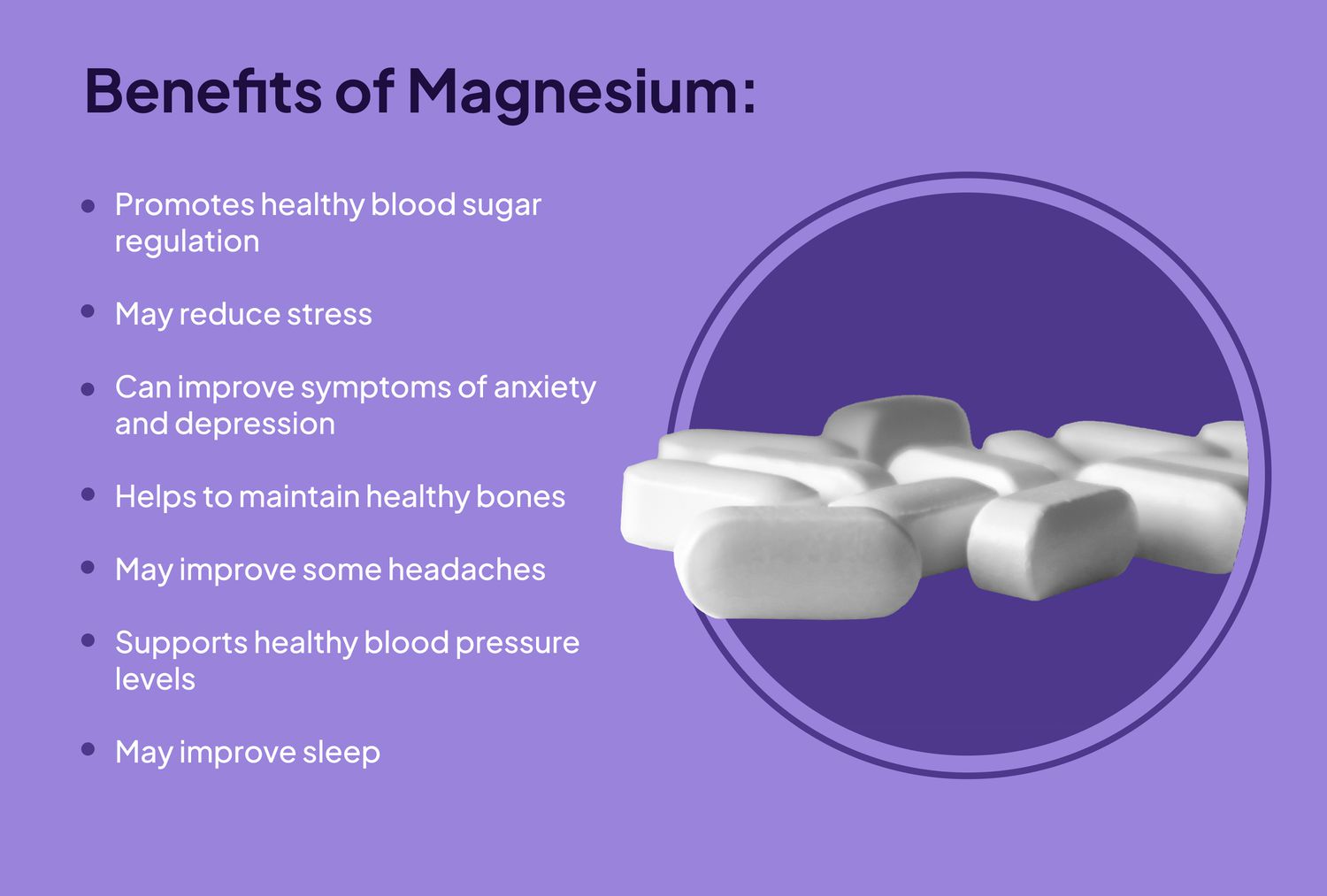
Credit: sleepsolutions.health
How Does Magnesium Help Your Body?
Magnesium has many jobs inside the body. Here are some important ways magnesium helps:
- Supports Muscles: Magnesium helps muscles relax and work well. Without enough magnesium, muscles can cramp or feel tired.
- Helps Nerves: It helps send messages between the brain and body. This keeps your body working smoothly.
- Builds Strong Bones: Magnesium helps your body use calcium to make bones strong.
- Supports Heart Health: Magnesium helps keep your heartbeat steady and normal.
- Energy Production: It helps your body turn food into energy.
- Regulates Blood Sugar: Magnesium helps control blood sugar levels, which is important for people with diabetes.
What Does a Magnesium Supplement Do?
A magnesium supplement adds extra magnesium to your body. It can help if you don’t get enough from food. Here is what a magnesium supplement can do:
- Prevent Magnesium Deficiency: Some people do not get enough magnesium. Supplements fill this gap.
- Reduce Muscle Cramps: Taking magnesium can help stop muscles from cramping or hurting.
- Improve Sleep: Magnesium can help some people sleep better and feel calm.
- Help with Stress: Magnesium may help lower feelings of stress and make you feel relaxed.
- Support Bone Health: It helps keep bones strong and healthy when combined with calcium.
- Support Heart Function: Magnesium supplements help keep your heart working well.
Who Should Take Magnesium Supplements?
Not everyone needs magnesium supplements. Most people get enough magnesium from food. But some groups may need extra magnesium:
- People who eat very little magnesium-rich food.
- Older adults, because magnesium absorption can go down with age.
- People with certain health problems like diabetes or digestive diseases.
- Women who are pregnant or breastfeeding.
- People who take some medicines that lower magnesium levels.
If you are not sure, ask a doctor before taking supplements.
Different Types of Magnesium Supplements
Magnesium supplements come in different forms. Each type has a different use and effect. Here are some common types:
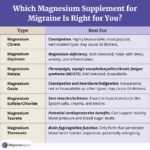
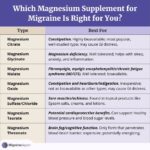
| Type | Use | Notes |
|---|---|---|
| Magnesium Citrate | Helps with constipation and absorption | Good for digestion |
| Magnesium Oxide | Used for heartburn and indigestion | Less absorbed but cheap |
| Magnesium Glycinate | Supports sleep and relaxation | Gentle on stomach |
| Magnesium Chloride | Helps with magnesium deficiency | Good absorption |
| Magnesium Sulfate | Used in hospitals (Epsom salt) | Not for daily use |
How to Take Magnesium Supplements Safely
Taking magnesium supplements is usually safe. But taking too much can cause problems. Here are some tips to take magnesium safely:
- Follow the dose on the package or your doctor’s advice.
- Do not take more than the recommended amount.
- If you have kidney problems, talk to your doctor first.
- Take magnesium with food to avoid stomach upset.
- Drink plenty of water when taking supplements.
Some side effects of too much magnesium include diarrhea, nausea, and stomach pain. If you feel bad, stop taking it and see a doctor.
Signs You Might Need More Magnesium
How do you know if you need more magnesium? Some signs may show you have low magnesium:
- Muscle cramps or twitches
- Feeling tired or weak
- Having trouble sleeping
- Numbness or tingling in hands or feet
- Irregular heartbeat
If you have these signs often, talk to a doctor. They can check your magnesium levels.
Foods Rich in Magnesium
The best way to get magnesium is from food. Here are some foods high in magnesium:
- Spinach and other green leafy vegetables
- Almonds and cashews
- Whole grains like brown rice and oats
- Beans and lentils
- Bananas
- Dark chocolate
Eating a balanced diet with these foods helps keep magnesium levels good.

Credit: drbrighten.com
Final Thoughts
Magnesium is very important for your body. It helps muscles, bones, nerves, and the heart. A magnesium supplement can help if you don’t get enough from food. But it is best to try to eat healthy foods first.
If you think you need a magnesium supplement, talk to a doctor. They can help you choose the right type and dose. Remember, taking too much magnesium can cause problems. Use supplements safely and enjoy better health.
Frequently Asked Questions
What Are The Main Benefits Of Magnesium Supplements?
Magnesium supplements help support muscle and nerve function. They also improve energy production and bone health. Many people use them to reduce cramps and stress.
How Does Magnesium Improve Sleep Quality?
Magnesium helps relax the body and calm the mind. It supports deep and restful sleep by regulating neurotransmitters. People often take it to fall asleep faster.
Can Magnesium Supplements Reduce Muscle Cramps?
Yes, magnesium plays a key role in muscle contraction and relaxation. Taking supplements can ease cramps and spasms. This is useful for athletes and active people.
Are Magnesium Supplements Good For Heart Health?
Magnesium helps maintain a steady heartbeat and normal blood pressure. It supports overall cardiovascular function. Regular intake may reduce the risk of heart problems.