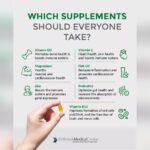
Supplements are things people take to help their health. They come in many forms. Some are pills, some are powders, and some are liquids. They can give your body extra vitamins, minerals, or other nutrients.
Why Do People Take Supplements?
People take supplements for many reasons. Sometimes, they do not get enough nutrients from food. Other times, they want to feel better or stay healthy. Supplements can help fill the gap when food alone is not enough.
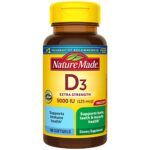
For example, some people do not get enough vitamin D from sunlight. Taking a vitamin D supplement can help their bones stay strong.
Credit: www.youtube.com
Common Types of Supplements
There are many types of supplements. Here are some of the most common:
Vitamins: These are important for your body to work well. Examples are vitamin C, vitamin D, and vitamin B12.
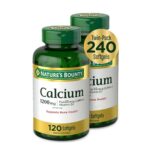
Minerals: These help your body in many ways. Examples include calcium, iron, and zinc.
Herbal Supplements: Made from plants. People use them for health or to help with problems like stress.
Protein Supplements: Help build muscles and repair tissues. Often used by athletes or people who need more protein.
Fatty Acids: Like omega-3, good for heart and brain health.
How Do Supplements Work?
Supplements add extra nutrients your body needs. They help when food does not provide enough. For example, if you do not eat many fruits, vitamin C supplements can help prevent sickness.
Your body uses these nutrients for energy, growth, and repair. Without enough nutrients, your body may not work well.
Are Supplements Safe?
Most supplements are safe if you take them correctly. But taking too many can cause problems. For example, too much vitamin A can hurt your liver.
It is best to talk to a doctor before starting any supplement. They can tell you what is good for your body.
Supplements vs. Food
Supplements are not food. They do not give you energy like food does. Food has many nutrients together. Supplements usually have one or a few nutrients.
Eating healthy food is the best way to get nutrients. Supplements help only when food is not enough.
Who Needs Supplements?
Some people need supplements more than others. Here are some groups:
Children: They need vitamins and minerals for growth.
Pregnant Women: Need extra folic acid and iron for baby’s health.
Elderly People: May need vitamin D and calcium for bones.
Vegetarians or Vegans: Might need vitamin B12 because it comes from animal products.
People with Health Problems: Some diseases make it hard to get nutrients.
How to Choose Supplements
Not all supplements are the same. Some are better quality than others. Here are tips to choose:
Buy from trusted brands.
Check the label for ingredients.
Look for supplements tested by third parties.
Avoid products that promise quick fixes.
Talk to a healthcare professional before buying.
Possible Side Effects
Supplements can have side effects. Some people may feel sick or get allergies. Taking too much can be harmful.
Always follow the instructions on the label. If you feel bad after taking a supplement, stop and see a doctor.
How to Take Supplements
Follow these simple rules:
Take the right amount. Do not take more than the label says.
Take supplements with food if the label says so. This helps your body absorb them.
Store supplements in a cool, dry place.
Keep supplements away from children.
Credit: liquidhealth.us
Supplements and Medicine
Some supplements can change how medicines work. For example, some herbs can make medicines less effective or cause side effects.
Always tell your doctor about any supplements you take. This helps avoid problems.
Important Things to Remember
Supplements are not a replacement for healthy food.
They are meant to add nutrients your body needs.
Not everyone needs supplements.
Too much of some supplements can be harmful.
Talk to a doctor before starting any supplement.
Summary Table: Supplements at a Glance
Type
Purpose
Examples
Who Needs It?
Vitamins
Supports body functions
Vitamin C, Vitamin D
Everyone, especially if diet is poor
Minerals
Helps bones, blood, and muscles
Calcium, Iron, Zinc
Children, pregnant women, elderly
Herbal
Supports health naturally
Ginseng, Echinacea
People with stress or mild health issues
Protein
Builds muscle and repairs tissue
Whey, Soy protein
Athletes, people with high protein needs
Fatty Acids
Good for heart and brain
Omega-3
Adults, especially with heart problems
Final Thoughts
Supplements can help your body get what it needs. They are useful when your diet is not perfect. But they are not magic. Eating healthy food is the best choice.
Be careful when choosing supplements. Always ask a doctor if you are not sure. Taking supplements the right way can support your health safely.
Frequently Asked Questions
What Are Dietary Supplements Used For?
Dietary supplements help fill nutrition gaps in your diet. They provide vitamins, minerals, or other nutrients your body needs.
Are Supplements Safe For Daily Use?
Most supplements are safe if taken as directed. Always follow dosage instructions and consult a healthcare professional.
How Do Supplements Differ From Medicines?
Supplements support health but do not treat diseases. Medicines are made to cure or prevent illnesses.
Can Supplements Replace A Healthy Diet?
Supplements cannot replace healthy foods. Eating fruits, vegetables, and whole grains is essential for good health.
Hey! My name is Steve M. Ford and I am a fitness expert. I have been working in the fitness industry for over 10 years, and I have a lot of experience and knowledge to share with others. I am 6’0″ tall and weigh 149.2 pounds. I am in the best shape of my life and I want to help others achieve the same level of fitness and health. I have a lot of advice to share when it comes to diet, exercise, and overall health. I believe that living a healthy lifestyle is one of the most important things you can do for yourself, and I am passionate about helping others achieve this.