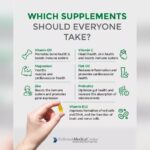
Have you ever heard about dietary supplements? You might have seen them in stores. They come in many forms. Some look like pills, powders, or liquids. But what exactly are these supplements? And why do people take them? This article will explain everything in a simple way.
Credit: www.fda.gov
Definition of Dietary Supplements
Dietary supplements are products people take to add nutrients to their diet. These nutrients can be vitamins, minerals, herbs, or other substances. They are not medicines. They do not cure diseases. Instead, they help support your body’s health.
Types of Dietary Supplements
There are many types of dietary supplements. Here are some common ones:
Vitamins: These are important for many body functions. For example, vitamin C helps the immune system.
Minerals: These include calcium, iron, and zinc. They help build strong bones and carry oxygen in blood.
Herbs and Botanicals: Plants like ginseng or garlic are used for health benefits.
Proteins and Amino Acids: These help build muscles and repair tissues.
Fatty Acids: Omega-3 oils are good for heart and brain health.
Forms of Dietary Supplements
Supplements come in different forms. You can find them as:
Tablets or pills
Capsules
Powders
Liquids
Gummies
People choose the form they like best. Some find pills easy to swallow. Others prefer powders mixed with water.
Why Do People Take Dietary Supplements?
People take supplements for many reasons. Some want to fill gaps in their diet. Others want extra nutrients for health.
Here are common reasons:
To improve health: Some supplements support the immune system or bones.
To get enough nutrients: Sometimes food does not have all needed vitamins or minerals.
During special times: Pregnant women may need more folic acid.
To support fitness: Athletes may take protein powders or amino acids.
To manage health conditions: Some take supplements to help blood pressure or digestion.
Are Dietary Supplements Safe?
Many supplements are safe when taken as directed. But not all are perfect for everyone. Some may cause side effects. Others can interact with medicines.
Here are some safety tips:
Talk to your doctor before starting any supplement.
Follow the dose instructions on the label.
Buy supplements from trusted brands.
Do not use supplements to replace healthy food.
How Are Dietary Supplements Made?
Supplements are made from natural or synthetic sources. Natural means they come from plants or animals. Synthetic means they are made in labs.
Here is a simple process of making supplements:
Extract nutrients from plants or minerals.
Purify and test the ingredients.
Mix ingredients to make the final product.
Shape into pills, capsules, or powders.
Package and label for sale.
Credit: www.health.harvard.edu
Common Nutrients in Dietary Supplements
Many supplements contain the same nutrients found in food. Here is a table with common nutrients and their benefits:
Nutrient
Benefit
Common Sources
Vitamin C
Helps immune system and heals wounds
Oranges, strawberries, supplements
Calcium
Builds strong bones and teeth
Milk, cheese, supplements
Iron
Helps carry oxygen in blood
Meat, beans, supplements
Vitamin D
Helps absorb calcium and supports bones
Sunlight, fish, supplements
Omega-3 Fatty Acids
Good for heart and brain health
Fish oil, flaxseed, supplements
Dietary Supplements vs. Medicine
Dietary supplements and medicines are different. Medicines treat or cure illnesses. Supplements support normal health. They do not replace medicine.
If you are sick, see a doctor. Do not use supplements as medicine.
Important Points to Remember
Supplements add nutrients to your diet.
They come in many forms and types.
Not all supplements are safe for everyone.
Always ask a doctor before use.
Good food is the best source of nutrients.
Frequently Asked Questions
What Are Dietary Supplements Made Of?
Dietary supplements contain vitamins, minerals, herbs, and other nutrients. They come in pills, powders, or liquids. These help fill gaps in your diet.
Who Should Take Dietary Supplements?
People who lack certain nutrients may benefit from supplements. Older adults, pregnant women, and those with health issues often need them. Always check with a doctor first.
Can Dietary Supplements Replace Meals?
Supplements are not meant to replace real food. They support your diet but do not provide all nutrients found in meals. Eating balanced food is essential.
Are Dietary Supplements Safe To Use Daily?
Most supplements are safe if used as directed. Taking too much can cause side effects. Always follow the label or doctor’s advice.
Conclusion
Dietary supplements can help improve health when used correctly. They provide extra vitamins and minerals. But they should not replace healthy food or medicine. Always use them carefully. Talk to a doctor if unsure. Eating a balanced diet and staying active are key to good health. Supplements can be a helpful part of that. But knowing what they are is very important.
Hey! My name is Steve M. Ford and I am a fitness expert. I have been working in the fitness industry for over 10 years, and I have a lot of experience and knowledge to share with others. I am 6’0″ tall and weigh 149.2 pounds. I am in the best shape of my life and I want to help others achieve the same level of fitness and health. I have a lot of advice to share when it comes to diet, exercise, and overall health. I believe that living a healthy lifestyle is one of the most important things you can do for yourself, and I am passionate about helping others achieve this.