Many parents want to feed their babies in the best way possible. Sometimes, breast milk is not enough. Or, some mothers cannot breastfeed all the time. In these cases, supplementing with formula can help. It gives the baby extra nutrition and helps them grow strong and healthy.
This guide explains how to supplement with formula. It will help you understand when to use formula and how to do it safely. The steps are easy to follow. Let’s get started.
What Is Formula?
Formula is a special food made for babies. It tries to be like breast milk. Formula has all the vitamins and minerals a baby needs. You can buy it at stores or pharmacies. It comes in powder, liquid concentrate, or ready-to-feed bottles.
Formula is made from cow’s milk or soy. It is made safe for babies with added nutrients. Doctors often recommend formula if breastfeeding is hard or if the baby needs extra food.
When Should You Supplement With Formula?
Sometimes, breastfeeding alone is not enough. Here are some reasons to use formula:
- The baby is not gaining enough weight.
- The mother cannot produce enough milk.
- The baby is very hungry after feeding.
- The mother must return to work or leave the baby for a while.
- The baby has special health needs.
Talk to your doctor if you think your baby needs formula. They will help you decide the best time to start.
Credit: www.bluecrescentllc.com
Choosing the Right Formula
There are many types of formula. It is important to pick the right one for your baby. Some types include:
| Type of Formula | Description | When to Use |
|---|---|---|
| Powdered Formula | Dry powder you mix with water | Cost-effective, needs clean water to prepare |
| Liquid Concentrate | Liquid you mix with equal water | Easy to prepare, better for travel |
| Ready-to-Feed | Comes in bottles, no mixing needed | Best for convenience and emergencies |
| Specialty Formula | For babies with allergies or special needs | Use only with doctor’s advice |
Always read the label before buying. Check for the age the formula is made for. Some formulas are for newborns. Others are for older babies.
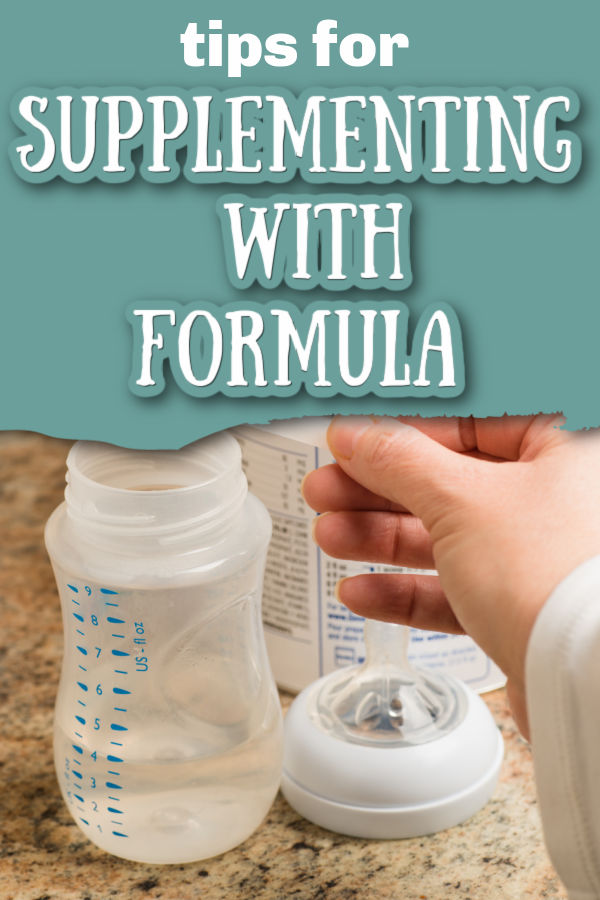
How to Prepare Formula Safely
Preparing formula safely is very important. Wrong preparation can make the baby sick. Follow these steps every time:
- Wash your hands with soap and water.
- Clean all bottles, nipples, and caps with hot water.
- Boil fresh water and let it cool to about 70°C (158°F).
- Pour the correct amount of water into the bottle.
- Add the exact amount of formula powder or concentrate.
- Mix well until the powder dissolves.
- Cool the bottle by holding it under cold running water.
- Check the temperature by dropping some formula on your wrist. It should feel warm, not hot.
Never use microwave to warm formula. It can make hot spots and burn your baby’s mouth.
How Much Formula Should You Give?
The amount of formula depends on your baby’s age and weight. Here is a simple guide:
| Age of Baby | Amount per Feed | Number of Feeds per Day |
|---|---|---|
| Newborn (0-1 month) | 60-90 ml (2-3 oz) | 8-12 times |
| 1-2 months | 120-150 ml (4-5 oz) | 6-8 times |
| 2-4 months | 150-180 ml (5-6 oz) | 5-6 times |
| 4-6 months | 180-210 ml (6-7 oz) | 4-5 times |
Watch your baby’s hunger cues. Crying or sucking on fingers can mean hunger. Don’t force your baby to finish the bottle if they stop eating.
Tips for Supplementing With Formula
Here are some tips to help you when using formula:
- Introduce formula slowly, mixing with breast milk first.
- Feed your baby in a calm, quiet place.
- Hold your baby close during feeding. It helps bonding.
- Do not switch formulas often. Stick to one type unless advised.
- Store prepared formula in the fridge if not used right away.
- Discard any formula left after one hour.
- Always check the expiration date on formula cans.
- Keep a feeding diary to track how much your baby eats.
Common Concerns When Using Formula
Parents often worry about formula feeding. Here are some common concerns:
- Will formula cause diarrhea? Sometimes formula changes can upset the baby’s stomach. Talk to your doctor if it lasts long.
- Is formula as good as breast milk? Breast milk is best, but formula is a good alternative.
- Can I mix breast milk and formula? Yes. Many moms do this to give extra food.
- Can formula cause allergies? Some babies may have allergies. Choose a special formula if needed.
:max_bytes(150000):strip_icc()/combining-breastfeeding-and-formula-feeding-4319308-26c057cc1d3342a09856fda8368765a3.png "How to Supplement With Formula: Expert Tips for Healthy Feeding 2")
Credit: www.parents.com
When to Stop Supplementing
You may stop supplementing with formula when:
- Your baby grows enough on breast milk alone.
- Your baby starts eating solid foods at 6 months.
- Your doctor advises you to stop formula.
Always talk to your doctor before making changes in feeding.
Frequently Asked Questions
What Is Formula Supplementation In Baby Feeding?
Formula supplementation means giving babies formula milk along with breastfeeding. It helps when breast milk alone is not enough.
When Should I Start Supplementing With Formula?
Start supplementing if your baby is not gaining weight well or seems hungry after breastfeeding. Consult a doctor for advice.
How Much Formula Should I Give My Baby Daily?
The amount varies by age and weight. Usually, newborns need 2-3 ounces per feeding, 6-8 times a day.
Can Formula Replace Breastfeeding Completely?
Yes, formula can replace breast milk if breastfeeding is not possible. It contains essential nutrients for babies.
Conclusion
Supplementing with formula can help your baby grow well. It gives extra nutrition when needed. Always choose the right formula and prepare it safely. Follow feeding amounts and watch your baby’s hunger signs.
Remember, every baby is different. Take your time and do what works best for you and your baby.