
Protein powder is a popular supplement for many people. Athletes, students, and even busy workers use it. But have you ever wondered how protein powder is made? In this article, we will explore the steps of making protein powder. We will keep the language simple and easy to understand.
What is Protein Powder?
Protein powder is a dry product. It contains protein from different sources. People use it to add more protein to their diet. Protein helps build muscles and keeps the body healthy.
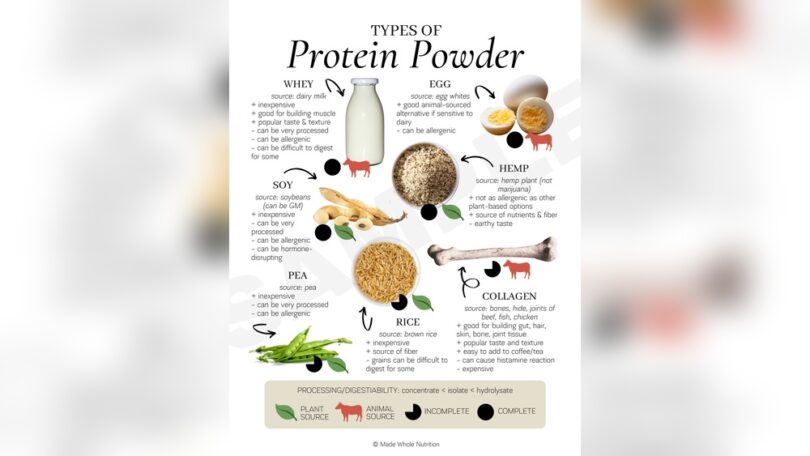
There are many types of protein powders. Some come from animals, like milk or eggs. Others come from plants, like peas or rice.
Main Sources of Protein Powder
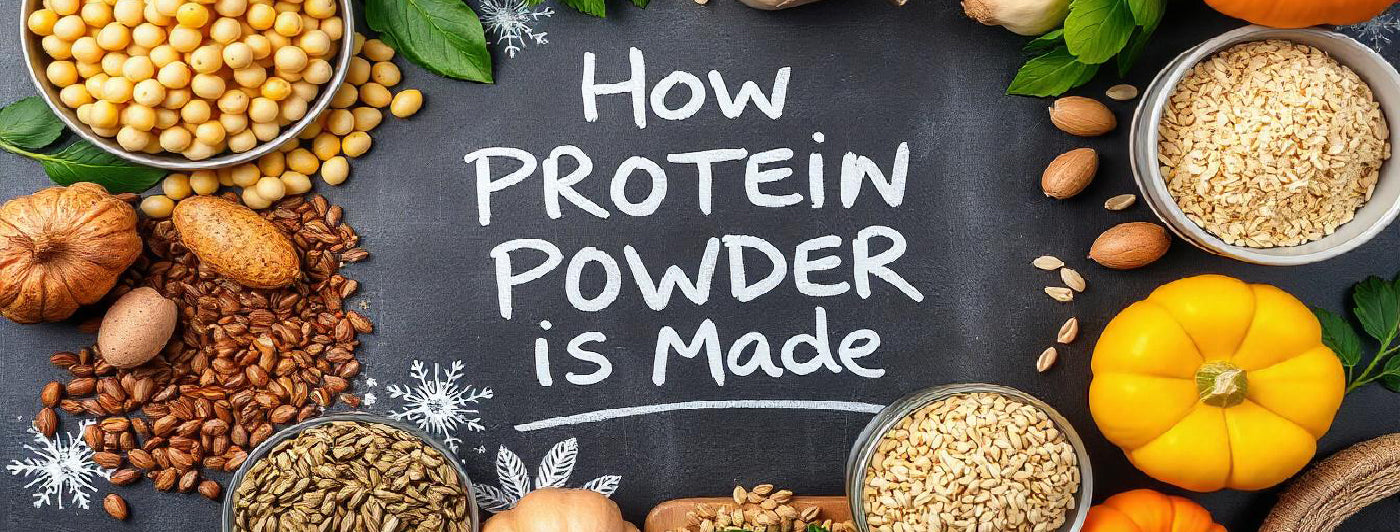
Before making protein powder, we need protein sources. Here are some common ones:
- Whey Protein: Comes from milk. It is the most popular type.
- Casein Protein: Also from milk. It digests slowly.
- Soy Protein: Made from soybeans. Good for vegetarians.
- Pea Protein: Comes from yellow peas. Easy to digest.
- Rice Protein: Made from brown rice. Often mixed with pea protein.
- Egg White Protein: Made from egg whites. High in protein.
Step 1: Extracting the Protein
The first step is to get protein from the source. For example, if it is whey protein, the protein comes from milk.
Milk has two main proteins: whey and casein. When milk is turned into cheese, whey separates as a liquid. This liquid contains whey protein.
For plant proteins, the process is different. Plants like peas or soybeans are cleaned and ground into a paste. Then, the protein is separated from the fiber and starch.
Step 2: Purifying the Protein
After extracting, the protein is not pure yet. It still has fats, carbs, and water.
Manufacturers use different methods to purify the protein. These methods remove unwanted parts and leave mostly protein.
Common methods include:
- Filtration: Uses filters to separate protein from other parts.
- Ion Exchange: Uses electric charge to separate protein.
- Ultrafiltration: A type of filtration that removes small molecules.
Each method affects the final product. For example, whey protein isolate has more protein and less fat than concentrate.
Step 3: Drying the Protein
After purification, the protein is still wet. It needs to be dried to make powder.
Drying is done using special machines. The most common is spray drying.
Spray drying works like this:
- The liquid protein is sprayed as tiny droplets into hot air.
- The water evaporates quickly.
- The dry protein falls to the bottom as powder.
Drying makes the protein easy to store and use.
Step 4: Adding Flavors and Other Ingredients
Pure protein powder can taste plain or bitter. So, manufacturers add flavors.
Common flavors include vanilla, chocolate, and strawberry.
They may also add sweeteners like sugar or artificial sweeteners. Some powders have vitamins or minerals added too.
These extras make the powder taste better and improve nutrition.
Step 5: Mixing and Packaging
Next, all ingredients are mixed well. This step ensures each scoop tastes the same.
The powder is then packed into containers. These containers keep the powder fresh and dry.
Packaging may be jars, bags, or tubs. They often have labels with nutrition facts and instructions.
Credit: plantigo.in
Quality Control and Testing
Before protein powder reaches stores, it must be tested. Quality control checks include:
- Testing protein amount.
- Checking for harmful bacteria.
- Ensuring no banned substances are present.
- Checking taste and texture.
These tests make sure the product is safe and good quality.
Summary of Protein Powder Making Process
| Step | Description |
|---|---|
| 1. Extracting Protein | Get protein from milk or plants. |
| 2. Purifying Protein | Remove fats, carbs, and other parts. |
| 3. Drying | Use spray drying to make powder. |
| 4. Adding Flavors | Add taste and extra nutrients. |
| 5. Mixing and Packaging | Mix well and pack in containers. |
| 6. Quality Control | Test for safety and quality. |

Credit: thetrost.com
Why Do People Use Protein Powder?
People use protein powder for many reasons. Some want to build muscles. Others want to recover faster after exercise. Some use it to help with weight loss. Protein powder is also useful when people do not have time to cook.
It is easy to mix protein powder with water or milk. It can be added to shakes, smoothies, or baked goods.
Is Protein Powder Healthy?
Protein powder can be healthy if used properly. It provides a quick source of protein. But it should not replace real food completely.
It is important to choose good quality protein powder. Also, talk to a doctor if you have health problems.
Frequently Asked Questions
What Ingredients Are Used To Make Protein Powder?
Protein powder mainly uses whey, casein, soy, or pea protein as its base. Some powders include flavors and sweeteners for taste.
How Is Whey Protein Powder Made?
Whey protein is made by separating whey from milk during cheese production. It is then filtered, dried, and turned into powder.
What Processes Remove Fat And Carbs From Protein Powder?
Filtration and ultrafiltration remove most fats and carbohydrates. This leaves a high-protein, low-fat powder.
Is Protein Powder Made From Animal Or Plant Sources?
Protein powder can come from both animal and plant sources. Common animal sources are milk and eggs, while plants include peas and rice.
Conclusion
Making protein powder is a careful process. It starts with getting protein from animals or plants. Then, the protein is purified and dried. After that, flavors and other ingredients are added. Finally, the powder is packed and tested for quality.
Now, when you see a scoop of protein powder, you know how it was made. It is not magic, but a simple process. This powder helps many people get the protein they need every day.