Many people take supplements every day. They believe supplements help them stay healthy. But do supplements really work? This is an important question. Let’s learn more about supplements and how they affect our bodies.
What Are Supplements?
Supplements are products you take to add nutrients to your diet. They come in many forms. You can find pills, powders, or liquids. Supplements include vitamins, minerals, herbs, and other natural things.
Common supplements are vitamin C, vitamin D, calcium, and fish oil. People use supplements for many reasons. Some want to improve health. Others want to fill gaps in their diet.
Why Do People Take Supplements?
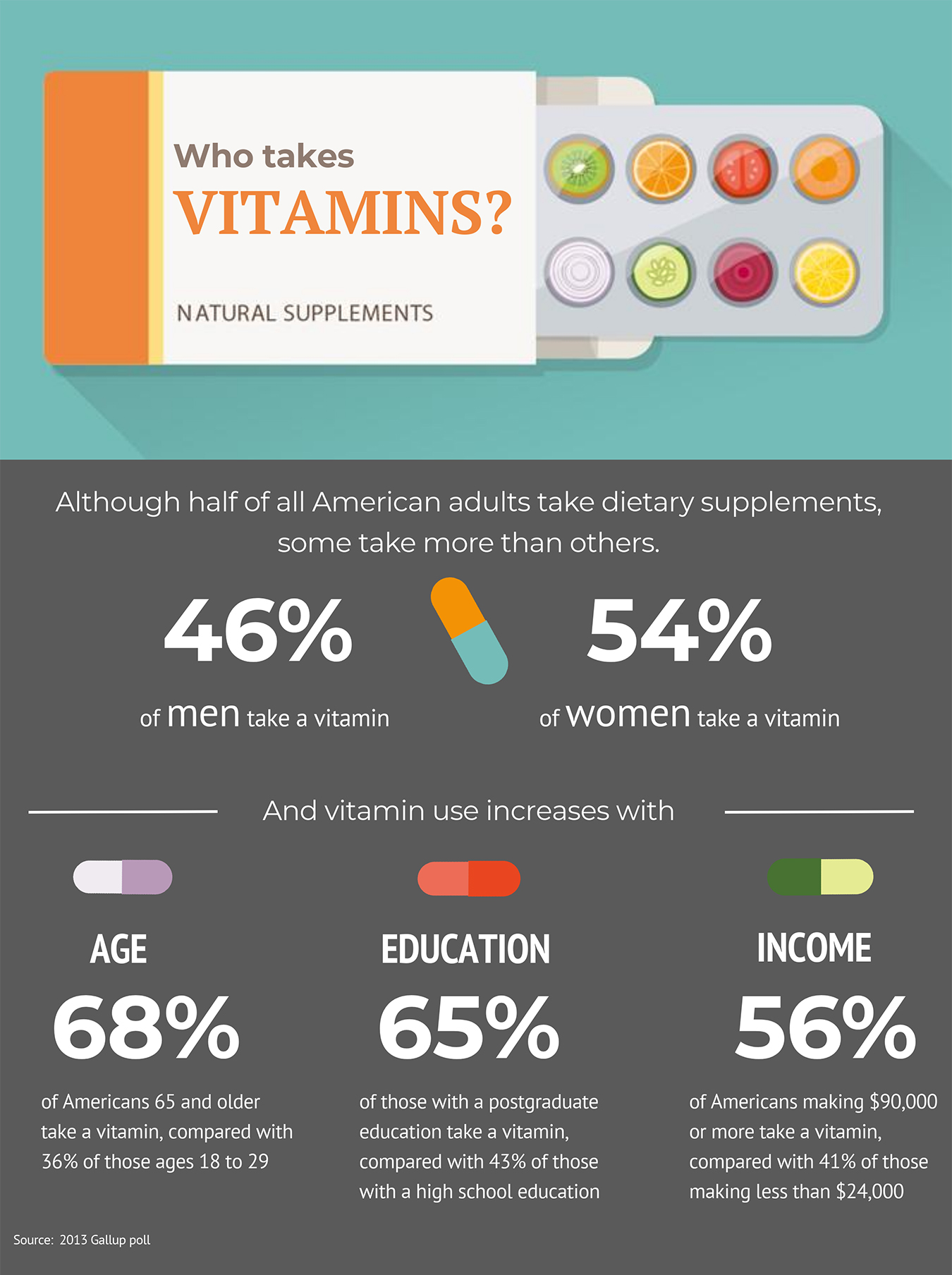
People take supplements for many reasons. Some want to feel stronger. Others want to have more energy. Some take supplements to help their skin or bones. Sometimes, doctors suggest supplements if a person lacks certain vitamins or minerals.
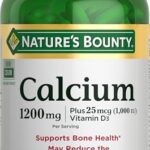
For example, if someone does not get enough sunlight, they may need vitamin D. If a person has weak bones, calcium supplements can help. Some people take supplements to help with digestion or to support their immune system.
Credit: kffhealthnews.org
Do Supplements Really Work?
This is the big question. The answer is not simple. Some supplements do work well. Others may not help much. It depends on many things.
When Supplements Can Help
Supplements can be useful when a person has a lack of certain nutrients. For example:
Vitamin D: Helps with bone health, especially if you don’t get sunlight.
Iron: Needed if you have anemia or low iron levels.
Vitamin B12: Important for people who eat little or no meat.
Folic Acid: Helps pregnant women prevent birth defects.
In these cases, supplements fill a real need. They support the body in ways food alone may not.
When Supplements May Not Work
Many supplements promise to do more than just fill gaps. Some say they can improve memory, burn fat, or boost energy. But science does not always support these claims.
For example, some people take supplements to lose weight fast. But studies show that most weight loss supplements do not work well. They may even cause side effects.
Other supplements claim to help with memory or concentration. But the evidence is weak or mixed. Taking these supplements may not make a big difference.
Are Supplements Safe?
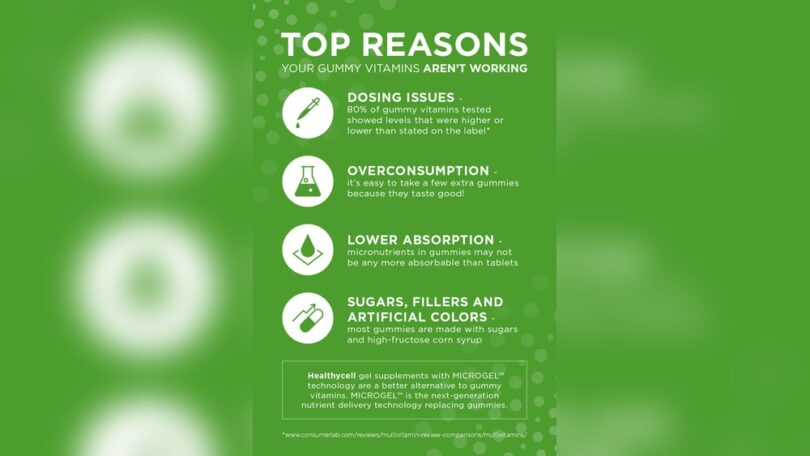
Most supplements are safe if you take the right amount. But taking too much can be dangerous. Vitamins and minerals build up in the body. Too much can cause harm.
For example, too much vitamin A can hurt your liver. Too much iron can cause stomach pain or worse. Always follow the instructions on the label.
Also, some supplements can interact with medicines. This can cause problems. Always talk to a doctor before starting any supplement.
How to Choose Good Supplements
Choosing the right supplement is important. Here are some tips:
Check the label: See what is inside and how much.
Look for quality brands: Choose trusted companies.
Check for approvals: Look for third-party testing or certifications.
Talk to a doctor: Ask if you really need the supplement.
Avoid big promises: If it sounds too good, it may not be true.
Credit: www.homage.sg
Supplements vs. Food
It is better to get nutrients from food. Food has many things that supplements do not. Like fiber and antioxidants. Whole foods give the body more complete nutrition.
For example, fruits and vegetables give vitamins plus fiber. Meat and beans give protein plus minerals. Taking supplements cannot replace healthy eating.
Always try to eat a balanced diet first. Use supplements only if you need extra help.
Common Types of Supplements and Their Effects
Supplement
Common Use
Effectiveness
Vitamin C
Supports immune system
Helps if deficient; does not prevent colds
Calcium
Bone health
Good for people with low calcium intake
Fish Oil (Omega-3)
Heart and brain health
May help heart health; evidence mixed
Multivitamins
General nutrition
May help if diet is poor; not magic
Weight Loss Pills
Reduce body fat
Mostly ineffective; risk of side effects
Final Thoughts
Do supplements work? Sometimes, yes. Especially when you need extra vitamins or minerals. But they are not a cure-all. Supplements cannot replace healthy food and good habits.
Before taking any supplement, think about why you want it. Talk to a doctor to be safe. Read labels carefully. Use supplements wisely and with care.
Remember, your body needs many things to stay healthy. Good food, exercise, sleep, and fresh air all help. Supplements can be part of this, but not the whole answer.
Stay informed and make smart choices. Your health is worth it.
Frequently Asked Questions
Do Supplements Really Improve Health?
Supplements can help fill gaps in your diet. They support health but do not replace food. Quality and proper use matter.
Which Supplements Work Best For Energy?
B vitamins and iron often boost energy levels. They help your body make energy from food. Always check with a doctor first.
Can Supplements Replace Meals?
Supplements should not replace meals. They lack many nutrients found in whole foods. Use them as a support, not a meal.
Are All Supplements Safe To Take Daily?
Not all supplements are safe daily. Some can cause side effects or interact with medicine. Follow recommended doses and consult a doctor.
Hey! My name is Steve M. Ford and I am a fitness expert. I have been working in the fitness industry for over 10 years, and I have a lot of experience and knowledge to share with others. I am 6’0″ tall and weigh 149.2 pounds. I am in the best shape of my life and I want to help others achieve the same level of fitness and health. I have a lot of advice to share when it comes to diet, exercise, and overall health. I believe that living a healthy lifestyle is one of the most important things you can do for yourself, and I am passionate about helping others achieve this.