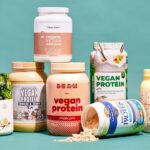
Many people wonder if they can take protein powder without exercising. Is it okay? Will it harm your body? This article explains everything you need to know. We will talk about what protein powder is, why people use it, and if it is good to take without exercise.

Credit: www.youtube.com
What Is Protein Powder?
Protein powder is a food supplement. It gives your body extra protein. Protein is an important nutrient. It helps build muscles and repair body parts. We get protein from foods like meat, eggs, and beans. But sometimes, people use protein powder to get more protein easily.
Protein powder comes from different sources. The most common types are:
- Whey protein: Made from milk. It is fast to digest.
- Casein protein: Also from milk. It digests slowly.
- Plant-based protein: Made from peas, rice, or soy. Good for vegetarians and vegans.
Why Do People Take Protein Powder?
People take protein powder for many reasons. Mostly, it helps with exercise and muscle building. When you work out, your muscles get tiny tears. Protein helps fix these tears and makes muscles stronger.
Some people use protein powder to lose weight. Protein can make you feel full. This helps eat less and control hunger.
Others use protein powder if they do not eat enough protein in their meals. For example, some older adults or people with certain illnesses may need more protein.
Can You Take Protein Powder Without Exercising?
Yes, you can take protein powder without exercising. But is it necessary? Not always. Your body needs protein every day. But if you eat a balanced diet, you may get enough protein from food.
If you do not exercise, your protein needs are lower. Your muscles do not need as much repair. So, extra protein powder may not help much.
Still, some people take protein powder without exercise. For example, some want to maintain their muscle or support their health. Some use it as a snack to avoid unhealthy foods.
What Happens If You Take Protein Powder Without Exercising?
Taking protein powder without exercise usually does not cause harm. But there are some points to remember.
- Extra calories: Protein powder has calories. If you do not burn them, you may gain weight.
- Kidney health: Eating very high protein can stress kidneys. If you have kidney problems, talk to a doctor first.
- Balanced diet: Protein powder should not replace real food. Whole foods give other nutrients like vitamins and minerals.
How Much Protein Do You Need?
Protein needs depend on your age, weight, and activity level. On average:
| Age Group | Protein Needed Per Day (grams) |
|---|---|
| Children (4-13 years) | 19 to 34 grams |
| Teens (14-18 years) | 46 to 52 grams |
| Adults (19+ years) | 46 to 56 grams |
People who exercise need more protein. But if you do not exercise, the lower amount is enough.
How to Use Protein Powder Safely Without Exercise?
If you want to take protein powder without exercise, follow these tips:
- Check your diet first. Make sure you are not eating too much protein.
- Use small amounts. One scoop or less per day is enough for most people.
- Choose quality protein powder. Pick products with few added sugars and fillers.
- Drink plenty of water. Protein needs water to be processed well in the body.
- Do not rely only on protein powder. Eat fruits, vegetables, and whole grains too.
- Talk to a doctor. Especially if you have health problems or take medicines.
Are There Benefits of Protein Powder Without Exercise?
Yes, there can be benefits. Here are some examples:
- Helps with weight control: Protein can reduce hunger.
- Supports muscle health: Good for older adults to keep muscles strong.
- Easy nutrition: Good for people who find it hard to eat enough protein.
- Better recovery: Helps if you are sick or recovering from injury.
When Is Protein Powder Not Needed?
Many people do not need protein powder. If you:
- Eat a balanced diet with enough protein.
- Are not very active.
- Do not have special health needs.
In these cases, protein powder may not add much benefit. Whole foods like eggs, meat, beans, nuts, and dairy are better choices.

Credit: toneopfit.com
What Are Some Good Protein Food Sources?
Instead of protein powder, you can eat these foods:
| Food | Protein per 100 grams |
|---|---|
| Chicken breast | 31 grams |
| Eggs (1 large) | 6 grams |
| Beans (cooked) | 9 grams |
| Tofu | 8 grams |
| Greek yogurt | 10 grams |
| Peanuts | 25 grams |
Final Thoughts
Can you have protein powder without exercising? Yes, you can. But it is not always needed. Your body needs protein every day. But most people get enough from food.
If you want to take protein powder, use small amounts. Do not rely on it only. Eat a balanced diet with many healthy foods. Drink water and stay healthy.
Remember, protein powder is a supplement. Not a magic food. Exercise is important for your muscles and health. Even small activities like walking or stretching help.
So, if you do not exercise, protein powder can be okay. But focus on good food first. And if unsure, ask a health expert for advice.
Frequently Asked Questions
Can I Use Protein Powder Without Working Out?
Yes, you can use protein powder without exercise. It helps meet daily protein needs. But excess intake may lead to weight gain.
Does Protein Powder Cause Weight Gain Without Exercise?
Protein powder can cause weight gain if you eat more calories than you burn. Without exercise, extra protein calories turn into fat. Balance your diet to avoid this.
Is Protein Powder Safe For Non-athletes?
Protein powder is safe for most people not exercising. It supports muscle repair and general health. Choose a quality product and follow recommended doses.
Can Protein Powder Replace Meals Without Exercising?
Protein powder can replace some meals but not all. It lacks all nutrients found in whole foods. Use it as a supplement, not a full meal substitute.