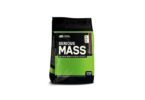


Many people wonder about using protein powder if they have diabetes. Is it safe? Can it help? This article will explain everything in simple words. You will learn what protein powder is and how it affects people with diabetes.
What Is Protein Powder?
Protein powder is a food made from different types of protein. It helps people get more protein in their diet. Protein is important for muscles, skin, and body repair. People use protein powder to build muscles or to eat healthy.
There are many types of protein powder. Some come from milk, like whey and casein. Others come from plants, like pea, rice, or soy protein. Each type has different benefits.
Why Do People Use Protein Powder?
- To build muscle after exercise.
- To feel full and avoid extra eating.
- To get more protein if they do not eat enough.
- To help with weight loss by reducing hunger.
Protein powder is easy to use. You can mix it with water, milk, or juice.

Credit: carolinethomason.com
What Is Diabetes?
Diabetes is a health problem. It happens when the body cannot use sugar well. The sugar stays in the blood. This can cause many health problems over time.
There are two main types of diabetes:
- Type 1 diabetes: The body does not make insulin.
- Type 2 diabetes: The body does not use insulin well.
Insulin is a hormone that helps sugar enter the body’s cells for energy.

Credit: mavenspick.com
Can Diabetics Use Protein Powder?
Yes, people with diabetes can use protein powder. But they must choose the right kind. Not all protein powders are the same.
Some protein powders have added sugar. This can raise blood sugar levels quickly. Diabetics should avoid these powders.
Instead, choose protein powders with no or very little sugar. Read the label before buying.
Benefits of Protein Powder for Diabetics
Protein powder can be good for diabetics if used correctly. Here is why:
- Helps control blood sugar: Protein slows down sugar absorption.
- Supports muscle health: Diabetes can cause muscle loss. Protein helps keep muscles strong.
- Reduces hunger: Protein helps you feel full longer. This can prevent overeating.
- Helps with weight management: Protein can help lose weight or keep a healthy weight.
What to Look for in Protein Powder
When choosing a protein powder, diabetics should check these things:
| Factor | Why It Matters | What to Look For |
|---|---|---|
| Sugar Content | High sugar can raise blood sugar fast. | No added sugar or less than 1 gram per serving. |
| Type of Protein | Some proteins digest slower or are better tolerated. | Whey isolate, pea, or soy protein are good choices. |
| Carbohydrates | Carbs affect blood sugar too. | Low carbohydrate content is better. |
| Added Ingredients | Some powders have fillers or sweeteners that may not be healthy. | Simple ingredients list, no artificial sweeteners or fillers. |
| Calories | Calories add up and affect weight. | Choose a powder with calories that fit your diet plan. |
How to Use Protein Powder Safely
Using protein powder safely is important for diabetics. Here are some tips:
- Talk to your doctor before starting protein powder.
- Check your blood sugar after using protein powder.
- Use protein powder as part of a balanced meal or snack.
- Do not replace all meals with protein shakes.
- Keep track of how much protein you eat daily.
Possible Problems to Watch For
Protein powder is mostly safe. But some problems can happen if you don’t use it well.
- Blood sugar spikes: If the powder has sugar, blood sugar can rise fast.
- Kidney stress: Eating too much protein can hurt kidneys, especially in people with kidney problems.
- Digestive issues: Some people may feel bloated or have stomach pain.
- Allergies: Some protein powders have milk or soy, which can cause allergies.
Always watch your body and stop using powder if you feel bad.
Best Protein Powder Options for Diabetics
Here are some protein powders that many diabetics find good:
- Whey Protein Isolate: Low in carbs and sugar. Absorbs quickly.
- Pea Protein: Plant-based, low in carbs, good for allergies.
- Soy Protein: Complete protein and low in sugar.
- Brown Rice Protein: Plant-based, hypoallergenic, but may lack some amino acids.
Other Ways Diabetics Can Get Protein
Protein powder is one option. But there are many other ways to get protein:
- Lean meats like chicken, turkey, and fish.
- Eggs and dairy products like yogurt and cheese.
- Beans, lentils, and chickpeas.
- Nuts and seeds.
- Whole grains like quinoa and oats.
Eating whole foods is always best. Protein powder should only fill gaps.
Summary
Can a diabetic have protein powder? Yes, but with care. Choose powders low in sugar and carbs. Use them as part of a healthy diet. Always talk to your doctor first. Watch your blood sugar and body reactions. Protein powder can help with muscle health and hunger control. But whole foods should be the main source of protein.
Remember, every person is different. What works for one may not work for another. Take small steps. Test your blood sugar. Adjust as needed. Protein powder can be safe and useful for many diabetics.
Frequently Asked Questions
Can Diabetics Safely Consume Protein Powder Daily?
Diabetics can use protein powder if it has low sugar and carbs. Choosing powders with natural ingredients helps maintain stable blood sugar levels.
Which Protein Powders Are Best For People With Diabetes?
Whey, pea, and soy protein powders are good options for diabetics. Look for unsweetened, low-carb varieties to avoid blood sugar spikes.
How Does Protein Powder Affect Blood Sugar In Diabetes?
Protein powder helps slow sugar absorption and controls blood sugar spikes. It can support muscle health without raising glucose levels too fast.
Can Protein Powder Help Manage Diabetes Weight Issues?
Protein powder can aid weight management by increasing fullness and reducing hunger. This helps control calorie intake and supports healthy weight loss.