Treadmills are popular machines for walking, jogging, and running indoors. Many people use them to keep fit, especially when the weather is bad. But a common question is: Are treadmills accurate for miles? Can you trust the distance they show? In this article, we will explore this topic in detail. We will explain how treadmills measure distance and what factors affect their accuracy.
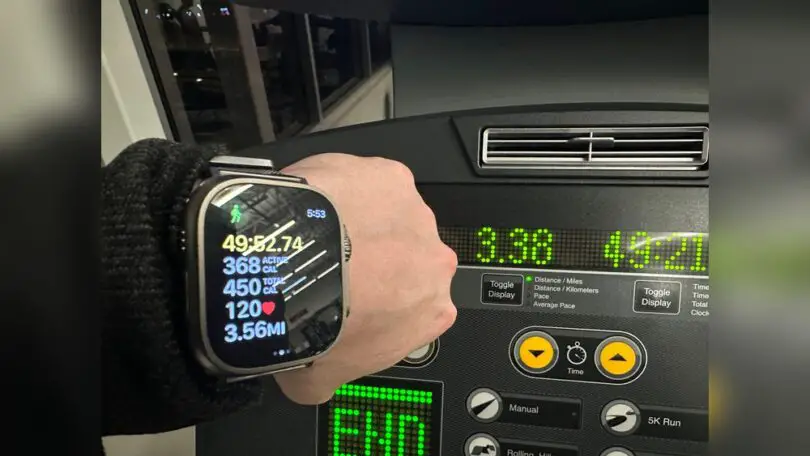
Credit: www.reddit.com
How Do Treadmills Measure Distance?
Treadmills usually show distance in miles or kilometers. But how do they know the distance you have run or walked?
The treadmill uses two main methods to measure distance:
Speed and time: The machine knows how fast the belt moves and how long you use it. It multiplies speed by time to find the distance.
Belt rotations: The treadmill counts how many times the belt turns. It then multiplies the belt’s length by the number of rotations to get the distance.
Both methods depend on the belt moving at a set speed. If the belt moves slower or faster than shown, the distance may be wrong.
What Can Affect Treadmill Distance Accuracy?
Several things can change how accurate treadmill distance is. Here are the main ones:
Factor
How It Affects Distance
Speed Calibration
If the speed is not set right, distance will be off. Even small errors add up over time.
Belt Slippage
If the belt slips or moves unevenly, rotations counted may not match true distance.
User Running Style
Some people take longer or shorter steps. This does not change distance but affects pace perception.
Machine Age and Maintenance
Older treadmills may have worn parts. This can affect belt speed and distance accuracy.
Display Rounding
Some machines round numbers. This can make small errors visible in the total distance.
How Accurate Are Treadmills Compared to Outdoor Running?
Many runners compare treadmill distance to outdoor distance. Outdoor runs use GPS watches or apps. These tools are not perfect either but can be more accurate in some cases.
Studies have shown that treadmills can be quite accurate for distance if they are well maintained and calibrated. Most treadmills have an error margin of about 2-5%. That means if the treadmill shows 1 mile, you might have run between 0.95 and 1.05 miles.
This small difference is usually not a big problem for everyday exercise. But if you train for races, small errors can add up over time.
Tips to Improve Treadmill Distance Accuracy
You can do a few things to make treadmill distance more accurate. Try these tips:
Check the treadmill speed: Use a stopwatch and measure how long it takes to run a set distance.
Calibrate the treadmill: Some machines allow you to adjust the speed and distance settings.
Keep the treadmill clean: Dust and dirt can affect belt movement.
Maintain the belt: Ensure the belt is tight and not slipping.
Use a GPS watch or app: Compare treadmill distance with outdoor runs for accuracy.
Why Use a Treadmill Even If Distance Is Not Perfect?
Even if treadmill distance is not 100% exact, treadmills have many benefits:
You can exercise indoors anytime.
The surface is softer than roads, which can protect your joints.
You can control speed and incline easily.
It helps you keep a steady pace.
For many people, small errors in distance do not matter much. The important thing is to stay active and healthy.
Comparing Treadmill Distance to Other Devices
Besides treadmills, many people use devices to measure distance. These include:
GPS watches – use satellites to track outdoor running distance.
Smartphones apps – use GPS and sensors for distance and pace.
Foot pods – attach to shoes and count steps and distance.
GPS devices work well outdoors but do not work inside. Treadmills can give distance data indoors but may be less exact. Some runners use both treadmill and GPS data to get a full picture of their training.
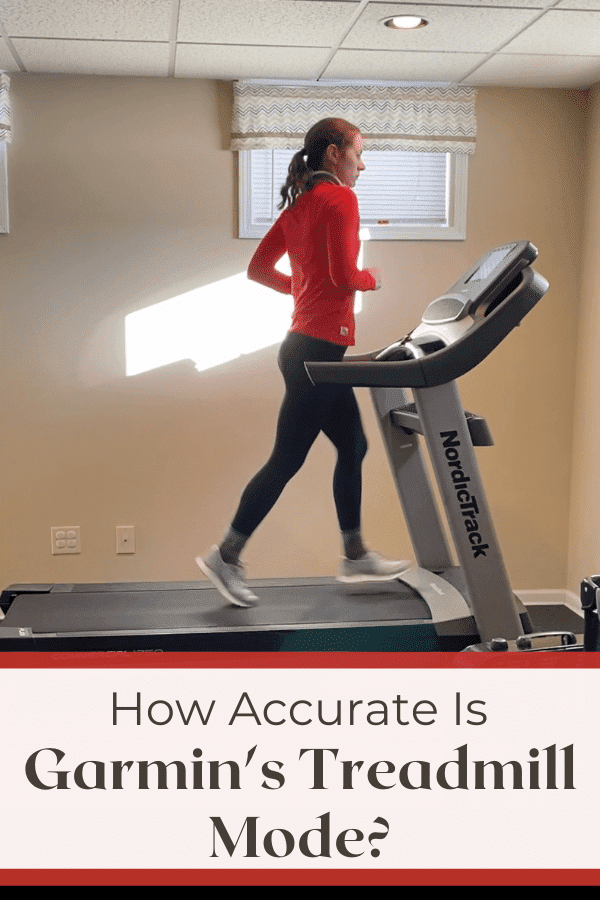
Credit: lauranorrisrunning.com
How to Test Your Treadmill’s Distance Accuracy
You can check how accurate your treadmill is with simple tests. Here are two easy ways:
1. Measure The Belt Length
Mark a point on the belt.
Turn the treadmill belt one full rotation manually.
Measure the distance the belt moves.
This measurement shows how far the belt moves per rotation. The treadmill uses this to calculate distance.
2. Run A Known Distance
Run on the treadmill for a set time at a fixed speed.
Use a stopwatch and record the time.
Calculate distance with speed x time.
Compare your calculation to what the treadmill shows.
If there is a big difference, the treadmill may need calibration.
Conclusion: Can You Trust Treadmills for Miles?
Treadmills give a good estimate of the miles you run. They are mostly accurate if the machine is working well. Small errors are normal but usually small.
For everyday workouts, you can trust the treadmill distance. It helps you see progress and stay motivated. If you train for races, use extra tools to check distance.
Remember, the best way to keep fit is to keep moving. Whether indoors or outdoors, every step counts!
Frequently Asked Questions
Are Treadmill Miles The Same As Outdoor Running Miles?
Treadmill miles can be slightly different from outdoor miles due to belt movement. Still, most treadmills measure distance accurately within a small margin of error.
How Do Treadmills Calculate Distance And Speed?
Treadmills use sensors to track belt rotations and speed, converting them into distance. This method provides a good estimate but can vary by machine quality.
Can Treadmill Incline Affect Distance Accuracy?
Yes, incline changes can affect how you perceive distance but usually do not change the treadmill’s distance measurement. The machine calculates distance based on belt movement alone.
Why Might Treadmill Distance Readings Be Inaccurate?
Distance readings may be off due to belt slippage, calibration issues, or worn parts. Regular maintenance helps keep measurements accurate and reliable.
Hey! My name is Steve M. Ford and I am a fitness expert. I have been working in the fitness industry for over 10 years, and I have a lot of experience and knowledge to share with others. I am 6’0″ tall and weigh 149.2 pounds. I am in the best shape of my life and I want to help others achieve the same level of fitness and health. I have a lot of advice to share when it comes to diet, exercise, and overall health. I believe that living a healthy lifestyle is one of the most important things you can do for yourself, and I am passionate about helping others achieve this.