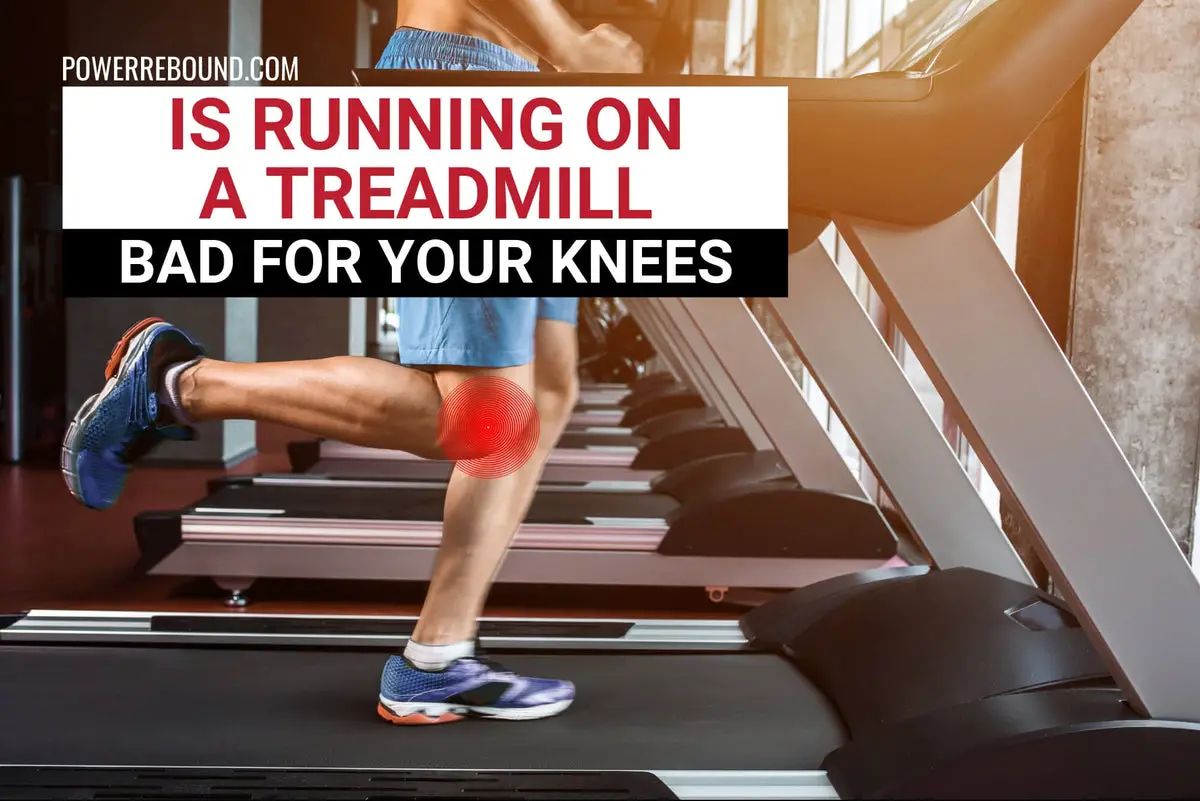
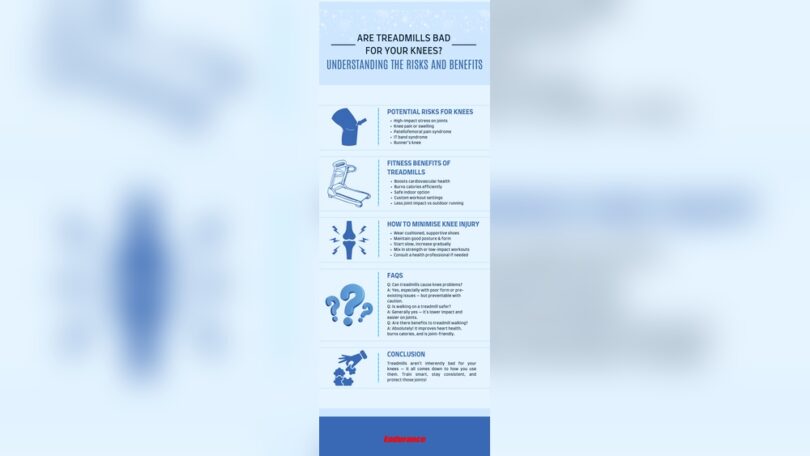

Many people wonder if treadmills harm their knees. Walking or running on a treadmill is popular. But some fear it may cause knee pain or damage. Is this true? Let’s explore this topic carefully.
How Do Knees Work?
Your knees are joints. They connect your thigh bone to your shin bone. They help you bend, walk, run, and jump. Knees have cartilage, a soft tissue that cushions the bones. Muscles and ligaments support the knee and keep it stable.
When you move, your knees carry your body weight. They absorb shocks from walking or running. Good knee health depends on strong muscles and gentle movement.
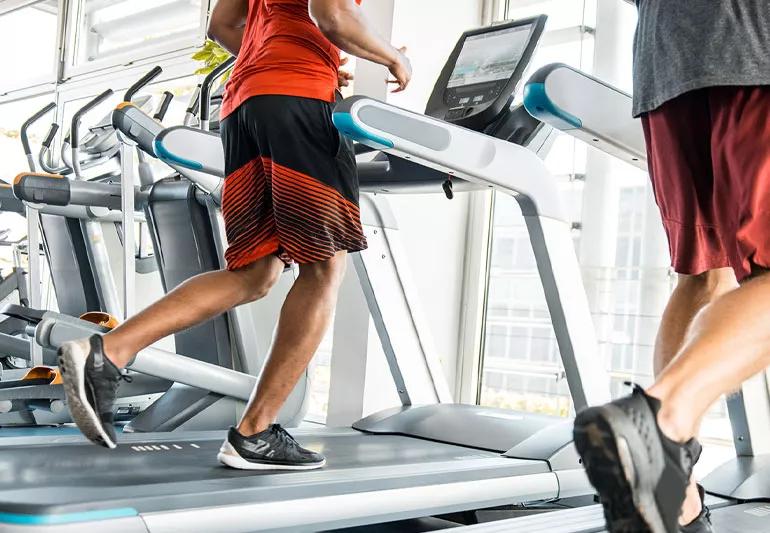
Credit: health.clevelandclinic.org
What Happens When You Use a Treadmill?
A treadmill lets you walk or run in one place. The belt moves under your feet at set speeds. This creates a steady, smooth surface for exercise.
Compared to running outside, the treadmill belt is softer. It absorbs some impact. This can reduce stress on your knees. But it is not the same for everyone.
Benefits Of Using A Treadmill For Your Knees
- Lower Impact: Treadmills have some cushioning. It can be easier on knees than hard roads.
- Controlled Speed: You can adjust speed to your comfort level.
- Flat Surface: No hills or uneven ground, which can reduce injury risk.
- Consistent Motion: The belt moves steadily, avoiding sudden jolts.
Possible Knee Problems From Treadmill Use
Still, some people feel knee pain after treadmill use. Why? Here are some reasons:
- Overuse: Running or walking too long can strain knees.
- Wrong Form: Bad posture or stride can increase knee stress.
- High Speed or Incline: Going too fast or steep can hurt knees.
- Pre-existing Conditions: Knee injuries or arthritis can worsen.
- Improper Shoes: Shoes without support increase impact on knees.
How to Protect Your Knees on a Treadmill
You can use a treadmill safely. Follow these tips to protect your knees:
1. Warm Up And Stretch
Always start with a warm-up. Walk slowly for 5 to 10 minutes. Stretch your leg muscles before exercise. This prepares your knees and reduces injury risk.
2. Choose The Right Shoes
Wear shoes with good cushioning and support. Running shoes are best. They absorb shock and protect your knees.
3. Maintain Good Posture
Stand straight. Keep your head up and shoulders back. Avoid leaning forward or looking down. This helps reduce knee pressure.
4. Use Proper Stride
Don’t take too long or too short steps. Try to land softly on your feet. Avoid pounding hard on the belt.
5. Control Speed And Incline
Start slow. Increase speed or incline gradually. High speeds or steep hills can strain knees if done suddenly.
6. Don’t Overdo It
Limit treadmill workouts to a safe time. For beginners, 15 to 20 minutes is enough. Increase time slowly as you get stronger.
7. Cross-train And Rest
Don’t only use the treadmill. Do other exercises like cycling or swimming. These give your knees a break and build strength. Also, rest days help knees recover.

Credit: welltech.com
When Should You See a Doctor?
If you feel sharp knee pain during or after treadmill use, stop. Pain that lasts more than a few days needs medical attention. Swelling, stiffness, or difficulty bending the knee are signs to see a doctor.
A doctor or physical therapist can check your knee. They may suggest exercises to strengthen muscles around the knee. Sometimes, they may recommend special shoes or braces.
Comparing Treadmill and Outdoor Running
Is running on a treadmill worse for knees than running outside? Not always. Both have pros and cons.
| Factor | Treadmill | Outdoor Running |
|---|---|---|
| Surface | Smoother and softer | Varies, often harder and uneven |
| Impact | Lower due to belt cushioning | Higher on concrete or asphalt |
| Incline Control | Adjustable and consistent | Natural hills, uneven grades |
| Weather | Indoor, no weather issues | Subject to rain, heat, cold |
| Variety | Less scenery, more repetitive | More variety and fresh air |
Choosing between treadmill and outdoor running depends on your needs. If you want less impact on knees, treadmill is better. If you enjoy fresh air and varied terrain, outdoor running is good.
Frequently Asked Questions
Do Treadmills Cause Knee Pain Or Damage?
Treadmills can cause knee pain if used incorrectly or too often. Proper form and moderate use help protect your knees.
Is Running On A Treadmill Safer For Knees Than Outdoors?
Running on a treadmill is often gentler on knees due to softer surfaces. Outdoor running can be harder on joints because of uneven ground.
How Can I Protect My Knees While Using A Treadmill?
Warm up before running and use good posture to protect knees. Avoid high speeds and long sessions to prevent strain.
Can Walking On A Treadmill Help Knee Joint Health?
Walking on a treadmill improves blood flow and strengthens knee muscles. It is a low-impact exercise that supports knee health.
Conclusion
Are treadmills bad for your knees? Not if you use them right. They can be easier on knees than running outside. But poor use or too much exercise can cause pain.
Keep good posture, wear proper shoes, and warm up well. Control speed and incline. Rest and cross-train to avoid overuse injuries. Listen to your body. Stop if you feel pain.
With care, treadmills can help you stay healthy. They offer a safe way to walk or run indoors. Protect your knees and enjoy your workout.