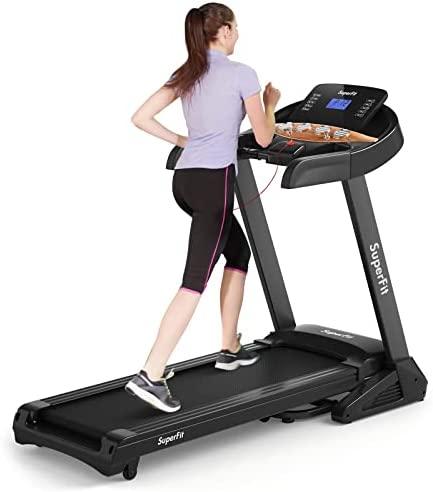
Many people use treadmills to exercise and watch the calorie count on the screen. The calorie tracker shows how many calories you burn while walking or running. But are these numbers really true? Are the calorie trackers on treadmills accurate? This article will explain how calorie trackers work and if you can trust them.

Credit: www.treadmillreviewguru.com
:max_bytes(150000):strip_icc()/GettyImages-940256188-d8f195c878ba4dbaa2633081076275c1.jpg "Are the Calorie Trackers on Treadmills Accurate? Truth Revealed! 2")
Credit: www.verywellfit.com
How Do Treadmill Calorie Trackers Work?
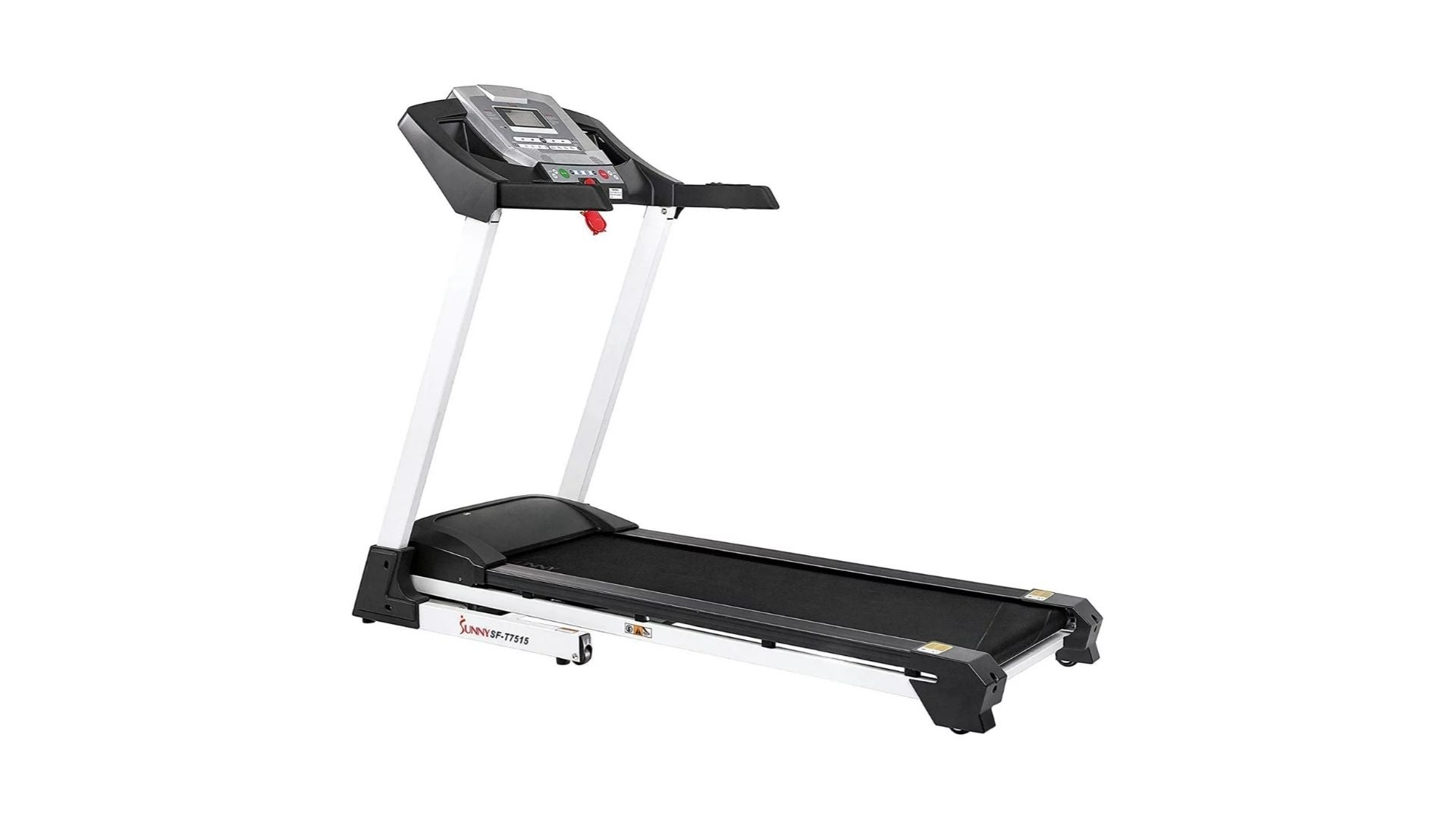
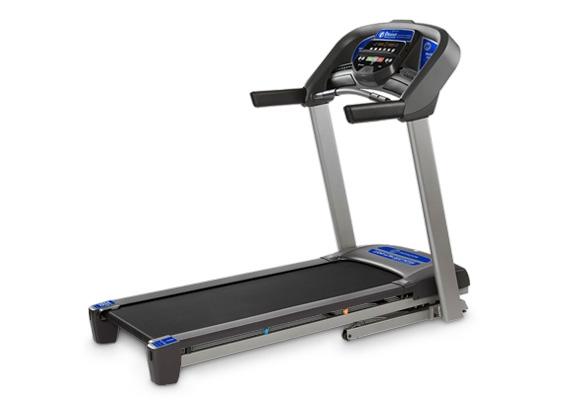
Treadmills use simple math to guess calories burned. They look at the speed you run or walk, the time you spend on the machine, and sometimes the incline. Then, they use a formula to estimate how many calories you burned.
Most treadmills do not know your weight, height, age, or fitness level. These details are important because they affect how many calories you use. If the treadmill does not have this information, it will only give a rough guess.
Factors That Affect Calorie Count on Treadmills
Many things change the number of calories burned. Here are some:
- Your weight: Heavier people burn more calories.
- Your age: Younger people may burn calories faster.
- Your fitness level: Fit people burn calories differently than beginners.
- Speed and incline: Running fast or uphill burns more calories.
- Body type: Muscle burns more calories than fat.
Since treadmills often do not know these things, their calorie numbers can be wrong.
How Accurate Are Treadmill Calorie Trackers?
Studies show treadmill calorie trackers can be off by 20 to 30 percent. Sometimes, they say you burn more calories than you really do. Other times, less.
For example, if the treadmill says you burned 300 calories, you might have burned only 210 or 360 calories. That is a big difference.
Why does this happen? Because treadmills use general formulas. They do not measure your actual body energy use. Real calorie burn depends on many personal factors.
Comparing Treadmill Calorie Trackers with Other Devices
Other fitness tools like smartwatches or heart rate monitors try to give better calorie counts. They use heart rate and personal info like age and weight.
These devices can be more accurate but still have errors. No device can measure calories perfectly without special lab tests.
So, treadmill calorie trackers are okay for general ideas. But don’t trust the numbers too much.
How to Use Treadmill Calorie Numbers Wisely
Here are some tips to get the most from treadmill calorie trackers:
- Use them as a guide: They show if you worked harder or easier.
- Track progress: See if you burn more calories over time.
- Don’t count exact calories: Use other ways to check your fitness.
- Combine with other info: Check your weight, how you feel, and energy levels.
How Treadmill Makers Could Improve Calorie Tracking
Some treadmills let you enter your weight and age. This helps make calorie counts better.
Adding heart rate monitors to treadmills can improve accuracy. When the machine knows your heart rate, it can guess calories better.
Still, no treadmill will be perfect. The best way is to use calorie numbers as a rough idea.
Other Ways to Know Your Calorie Burn
If you want to know calories burned more clearly, try these:
- Heart rate monitors: They track how hard your heart works.
- Fitness trackers or smartwatches: These use many sensors.
- Metabolic tests: Special tests in clinics measure exact calorie use.
These methods cost more or need special tools but give better numbers.
Why Calorie Counting Is Not Everything
Calories are important, but exercise is about more than numbers.
Walking or running helps your heart, muscles, and mood. It improves sleep and energy. These benefits matter more than exact calorie burn.
Focus on feeling good and staying active. Use calorie trackers as a simple tool.
Summary Table: Pros and Cons of Treadmill Calorie Trackers
| Pros | Cons |
|---|---|
| Easy to use and read | Often inaccurate by 20-30% |
| Gives rough idea of calorie burn | Does not consider personal factors |
| Helps track workout effort | Can give false confidence about calories burned |
| Usually free with treadmill use | Less accurate than heart rate monitors |
Final Thoughts
Treadmill calorie trackers are helpful but not exact. They show a rough estimate of calories burned. Use them to see if you worked hard or easy. Do not trust the numbers too much.
For better accuracy, use heart rate monitors or fitness trackers. Remember, exercise is about health and feeling good, not just calories.
Keep moving and enjoy your workouts. The numbers will follow.
Frequently Asked Questions
How Accurate Are Treadmill Calorie Trackers?
Treadmill calorie trackers give rough estimates. They often miss personal factors like weight and metabolism. Use them as a guide, not exact counts.
Why Do Treadmill Calories Differ From Actual Burn?
Treadmills use standard formulas that ignore individual differences. Your real calorie burn depends on muscle use and fitness level. This causes differences in displayed calories.
Can Treadmill Calorie Counters Adjust For Weight?
Some treadmills let you enter your weight for better estimates. This helps but does not fully personalize calorie counts. Other factors still affect accuracy.
Do Speed And Incline Affect Treadmill Calorie Tracking?
Yes, speed and incline change calorie burn. Higher speed and incline raise calorie use. Most trackers include these but still estimate roughly.