Treadmills are popular exercise machines. Many people use them to stay fit. Most treadmills show calories burned during workouts. But, are these calorie counters accurate? This article explains how these counters work. It also shows why they may not be fully correct. You will learn how to use them wisely.
How Do Treadmill Calorie Counters Work?
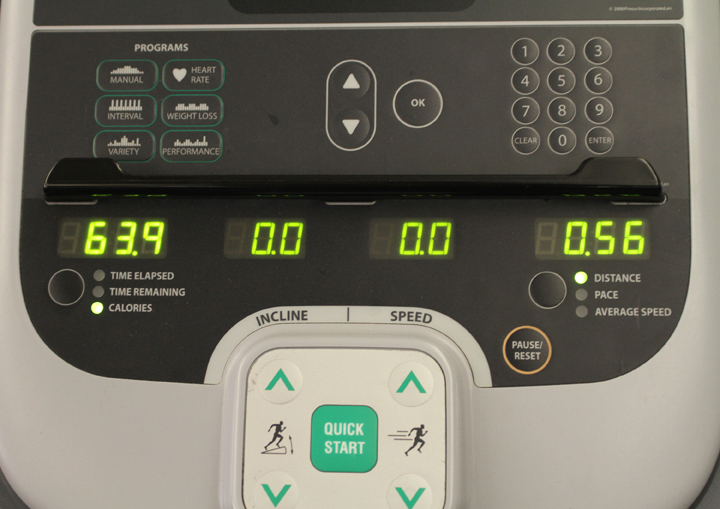
Treadmills use simple math to guess calories burned. They measure speed, time, and sometimes distance. Then, they use a formula to estimate energy used. This formula looks at how fast you move and for how long.
Many treadmills ask for your weight. Weight helps make the estimate better. The heavier you are, the more calories you burn moving. But treadmills do not know everything about you.
What Factors Affect Calorie Counting?
- Weight: Heavier people burn more calories.
- Age: Older people burn calories differently.
- Height: Longer legs may use more energy.
- Fitness level: Fit people burn calories differently.
- Heart rate: Faster heart rate means more effort.
Most treadmills do not use all these details. They only use weight and speed. That is why their numbers can be wrong.
Why Treadmill Calorie Counts May Not Be Accurate
Calorie counters on treadmills give estimates. They are not exact counts. Here are reasons why they can be wrong.
1. General Formulas
Treadmills use general formulas made for many people. These formulas do not fit everyone. Your body may use energy in a different way.
2. No Heart Rate Data
Most treadmills do not check your heart rate. Heart rate shows how hard your body works. Without this, calorie count is less accurate.
3. Different Body Types
Muscle burns more calories than fat. Treadmills do not know your muscle or fat amount. This affects calorie use but is not counted.
4. Walking Or Running Style
How you walk or run matters. Some people use more energy with the same speed. Treadmills cannot see this difference.
5. Machine Calibration
Some treadmills may not be set up well. If the machine speed is wrong, calorie count will be wrong too.
How to Use Treadmill Calorie Counters Wisely
Even if not perfect, calorie counters can help you. Here is how to use them well.
1. Use It As A Guide
Think of calorie numbers as a guess. Use them to see if you are working hard. Don’t trust the exact number.
2. Enter Your Weight Correctly
Always put your real weight in the treadmill. This helps make the number closer to true.
3. Track Time And Distance
Focus on how long and how far you go. These are good measures of exercise.
4. Combine With Other Methods
Use a heart rate monitor or fitness tracker. These tools can give better calorie data.
5. Watch Your Body
Notice how you feel during exercise. If you are tired, you burned more calories. Calories numbers are not the only way to know.
:max_bytes(150000):strip_icc()/GettyImages-940256188-d8f195c878ba4dbaa2633081076275c1.jpg "Are the Calorie Counters on Treadmills Accurate? Truth Revealed! 1")
Credit: www.verywellfit.com
Examples of Calorie Estimates on Treadmills
Here is a simple table to show how calorie counts can change.
| Person’s Weight | Speed (mph) | Time (minutes) | Estimated Calories Burned |
|---|---|---|---|
| 120 lbs | 3.0 | 30 | 150 |
| 150 lbs | 3.0 | 30 | 190 |
| 180 lbs | 3.0 | 30 | 230 |
| 150 lbs | 5.0 | 20 | 220 |
| 150 lbs | 5.0 | 40 | 440 |
This table shows estimates change with weight, speed, and time. But remember, these are only guesses.
What Can You Do to Get Better Estimates?
If you want more accurate calorie counts, try these tips.
Use A Heart Rate Monitor
Devices that track your heartbeat help. They show how hard your body works. Some treadmills connect to these devices.
Use Fitness Apps
Apps can use your data to give better estimates. They ask for age, weight, and height.
Get A Metabolic Test
Some places offer tests to measure your real calorie burn. This is the best way to know your exact needs. But it is not easy or cheap.
Keep A Workout Diary
Write down your exercise time, speed, and how you feel. Over time, you will see your progress. This helps more than just looking at calories.
Credit: baylorlariat.com
Why Calories Burned Is Not the Only Measure
Calories matter. But exercise does more than burn calories.
- It makes your heart strong.
- It helps your muscles grow.
- It improves mood and energy.
- It helps you sleep better.
- It keeps your body healthy.
So, focus on moving your body well. Calories are just one part of fitness.
Summary
Treadmill calorie counters use simple math. They give estimates, not exact numbers. Many factors affect calorie burn. Treadmills do not measure all of them. Use calorie counts as guides, not facts. Combine with heart rate or other tools. Most important: enjoy your workout and stay healthy.
Frequently Asked Questions
How Do Treadmill Calorie Counters Work?
Treadmill calorie counters estimate calories burned using speed, time, and weight data. They use formulas based on average metabolism. This gives a rough idea, not exact calories.
Why Are Treadmill Calorie Counts Often Inaccurate?
Treadmill calorie counts miss factors like age, muscle mass, and fitness level. They also don’t track heart rate or effort well. This leads to overestimates or underestimates.
Can Treadmill Calorie Counters Be Trusted For Weight Loss?
Treadmill calorie counters provide estimates, not exact numbers. Use them as a general guide, not a precise measure. Combining with diet tracking is best for weight loss.
How Can I Improve Treadmill Calorie Count Accuracy?
Enter your correct weight and age before starting. Use heart rate monitors if available for better data. Adjust speed and incline for a more realistic estimate.