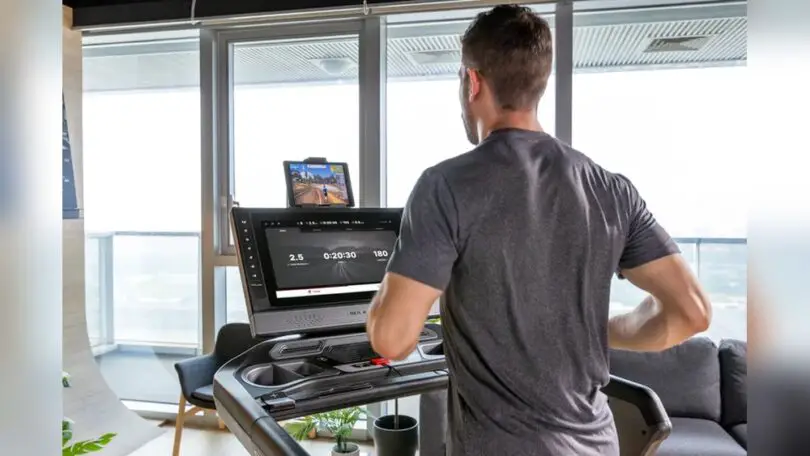

Many people use treadmills at the gym to walk, jog, or run. These machines show numbers. They tell you how fast you run, how far you go, and how many calories you burn. But the big question is: Are gym treadmills accurate?
It is important to understand this. If the treadmill numbers are not right, you might think you ran more than you did. Or you might believe you burned more calories than you really did. This can affect your workout goals.
How Do Treadmills Work?
A treadmill is a machine with a moving belt. You walk or run on this belt. The machine measures your speed and distance. It usually uses sensors and a motor to do this.
The treadmill shows:
- Speed (how fast you go)
- Distance (how far you move)
- Calories burned (energy you used)
- Time (how long you exercise)
Speed and Distance Accuracy
Speed and distance are the easiest to measure. The treadmill belt moves at a set speed. The machine counts belt rotations. From this, it finds the distance.
But sometimes, this is not perfect. Here are some reasons:
- Belt Slippage: The belt may slip slightly. This changes the real distance.
- Calibration: If the treadmill is not set right, it shows wrong numbers.
- User Movement: If you run near the front or back of the belt, the distance may differ.
Some studies show treadmills can have a small error. Usually, the error is about 1% to 3%. That means if the treadmill says you ran 1 mile, you might have run 0.97 to 1.03 miles. This is a small difference but worth knowing.
Calories Burned: A Tricky Number
Calories burned is the hardest number for treadmills to get right. The machine uses a formula. It looks at your weight, speed, and time. But it cannot see how hard your body works inside.
Many things change calorie burn:
- Age
- Gender
- Fitness level
- Body type
- Running style
Treadmills use average numbers. So, the calorie count is only a guess. It can be much higher or lower than you really burn.
Credit: www.reddit.com
Heart Rate and Other Sensors
Some treadmills have heart rate sensors. These help improve calorie estimates. The machine uses heart rate to find how hard you work.
But these sensors are not always perfect. Sometimes, they lose contact with your skin. Or they may not work well for some people.

Credit: www.soletreadmills.com
How to Check Treadmill Accuracy
You can do simple tests to check treadmill numbers.
- Distance Test: Use a tape measure or mark a known distance on the treadmill belt. See if the machine’s distance matches.
- Speed Test: Run at a set speed on the treadmill. Use a stopwatch to check if the machine matches your pace.
- Calorie Test: Use a fitness watch or app that tracks calories. Compare its count with the treadmill.
These tests help you know if the treadmill is close or far off.
Why Treadmills May Show Different Numbers
Not all treadmills are the same. Some brands and models are better at accuracy. Others may have older parts or less smart sensors.
Also, gyms may not keep machines well. Poor maintenance can cause errors.
Your running style also matters. If you run with heavy steps or irregular pace, the treadmill may not track well.
Tips to Get Better Treadmill Results
You can do a few things to get better numbers from treadmills.
- Warm up first: Start slow, then increase speed. This helps the machine adjust.
- Run in the middle of the belt: Stay near the center for more accurate distance.
- Check treadmill settings: Make sure your weight and age are correct in the machine.
- Keep the machine clean: Wipe the belt and sensors to avoid errors.
- Use additional devices: Wear a fitness tracker or heart rate monitor for more data.
Comparing Treadmills to Outdoor Running
Many runners ask if treadmill running is the same as outside. The answer: not exactly.
Outdoors, you face wind, hills, and different surfaces. These make your effort different. The treadmill belt moves under you, so you don’t push the ground as much.
Because of this, your heart rate and calories burned may be different on a treadmill than outside.
Summary Table: Treadmill Accuracy Factors
| Factor | Effect on Accuracy | Notes |
|---|---|---|
| Belt Calibration | May cause speed and distance errors | Needs regular checks and adjustments |
| User Position | Running off-center changes distance | Stay near belt center |
| Heart Rate Sensors | Helps calorie estimates but can fail | Keep good skin contact |
| User Data Input | Wrong weight or age affects calories | Always update your info |
| Machine Maintenance | Worn parts cause errors | Gyms should clean and fix regularly |
| Formula Used | Calories are estimates, not exact | Many personal factors not included |
Final Thoughts
Gym treadmills give useful information. But they are not perfectly accurate. Speed and distance are close, usually within a few percent. Calories burned are rough guesses.
Use treadmill data as a guide, not a fact. Combine it with how you feel and other devices if possible. This way, you get the best view of your workout.
Remember, the goal is to stay active and healthy. Numbers help, but the most important thing is to keep moving.
Frequently Asked Questions
How Accurate Are Gym Treadmill Distance Readings?
Treadmill distance readings can vary by 1-3%. Factors like calibration and belt speed affect accuracy. They give a close estimate, not exact.
Can Treadmill Calorie Counts Be Trusted?
Treadmill calorie counts are rough estimates based on algorithms. They don’t account for individual differences like weight or metabolism. Use them as general guides only.
Why Do Treadmill Speeds Sometimes Feel Wrong?
Treadmill speed sensors may drift or lag over time. This can make the speed feel faster or slower than displayed. Regular maintenance helps keep it accurate.
How Often Should Gym Treadmills Be Calibrated?
Calibration is recommended every 6-12 months depending on use. Proper calibration keeps speed and distance readings reliable. Ask gym staff about treadmill maintenance.