Many people use treadmills to exercise and keep fit. When you run or walk on a treadmill, you often see a number called “calories burned.” This number tells you how many calories you used while exercising. But the big question is: Are calories accurate on a treadmill?
What Does “Calories Burned” Mean?
Calories are a way to measure energy. When you move your body, you use energy. This energy comes from the food you eat. The more you move, the more calories you burn. Treadmills try to tell you how many calories you burn during your workout.
The calorie number on the treadmill helps you understand how hard you worked. It can guide you if you want to lose weight or stay healthy.
Credit: www.reddit.com
How Do Treadmills Calculate Calories?
Treadmills use a simple method to find out calories burned. They look at:
- How fast you run or walk (speed)
- How long you exercise (time)
- Your weight (if you enter it)
Using these details, the treadmill guesses your calorie burn. It uses a formula inside the machine. The formula estimates the energy you used based on speed, time, and weight.
Why Are Treadmill Calories Not Always Accurate?
The treadmill’s calorie count is just an estimate. It cannot know everything about your body. Here are some reasons why the number may not be exact:
- Different Body Types: Everyone’s body works differently. Two people can run at the same speed but burn different calories.
- Fitness Level: If you are fit, your body may burn fewer calories doing the same exercise than someone who is less fit.
- Heart Rate: Treadmills don’t always measure your heart rate unless you wear a monitor. Heart rate shows how hard your body works.
- Incline and Resistance: If the treadmill is on an incline or has resistance, it changes how many calories you burn. Some machines may not adjust this well.
- Body Weight Accuracy: If you don’t enter your correct weight, the calorie count will be wrong.
Examples of Inaccuracy
Imagine two people. Both run 3 miles in 30 minutes on the same treadmill. The machine shows they burned 300 calories. But one person weighs 120 pounds, and the other weighs 180 pounds. The heavier person actually burns more calories, but the treadmill might show the same number for both.
Also, if you run on a treadmill but hold onto the handles, you use less energy. The treadmill may not know this and still give you a higher calorie count.
How Can You Get Better Estimates?
You can improve calorie estimates on treadmills by:
- Enter Your Weight: Always put your correct weight into the treadmill before starting.
- Use a Heart Rate Monitor: Some treadmills connect with heart rate monitors. This helps the machine better guess your calorie burn.
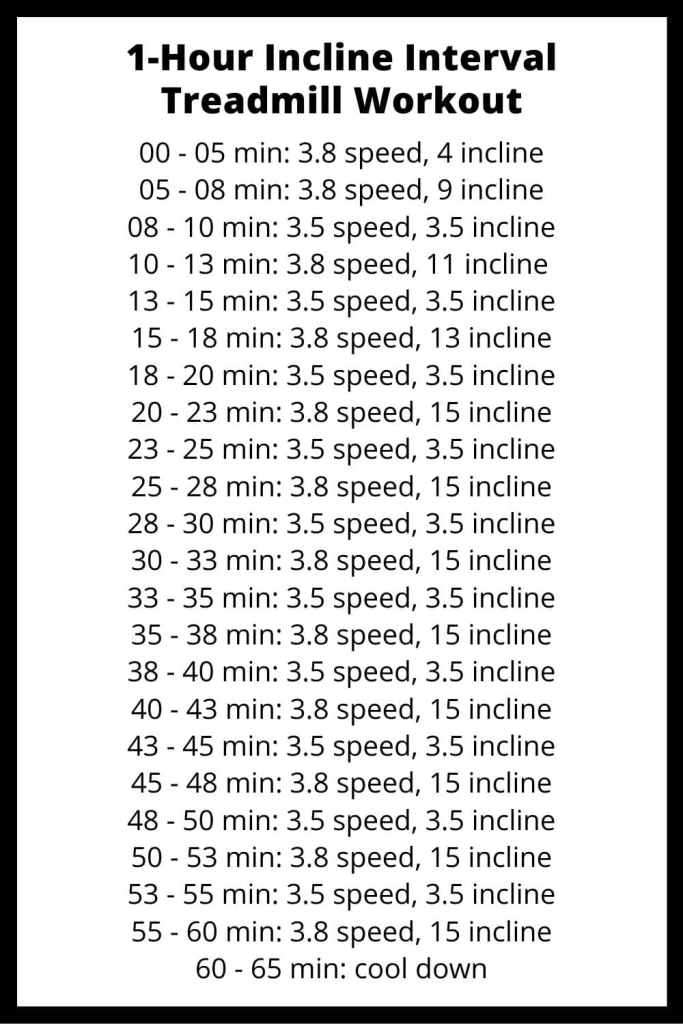
- Adjust Incline: Use the incline feature when walking or running uphill. This burns more calories and the treadmill may count it better.
- Avoid Holding Handles: Let your arms swing naturally. This helps burn more calories and gives a better reading.
What Else Affects Calorie Counting?
Many other things change how many calories you burn. These include:
- Age — Younger people burn calories differently than older people.
- Gender — Men and women burn calories at different rates.
- Muscle Mass — More muscles mean more calories burned.
- Metabolism — Your body’s speed of burning calories varies.
Treadmills cannot know all these details. So, their calorie count is only a rough guess.
Should You Trust the Treadmill Calories?
You should use treadmill calories as a guide, not a fact. The number can help you see if you worked hard or not. But do not rely on it for exact calorie burning.
Focus more on how you feel during and after exercise. If you feel tired and sweaty, you probably burned many calories. If you want exact calorie tracking, you need special tools like fitness trackers with heart rate monitors or lab tests.
Credit: darsalud.com.ve
Tips to Use Treadmill Calories Wisely
Here are some simple tips to use treadmill calorie data better:
- Use calories burned to compare workouts, not as an absolute number.
- Combine treadmill data with how you feel after exercise.
- Track your progress over time, not one session.
- Remember calories are only part of weight loss or fitness.
- Use healthy eating and other exercises with treadmill workouts.
Summary Table: Pros and Cons of Treadmill Calorie Counts
| Pros | Cons |
|---|---|
| Easy to see calorie estimates | Numbers are only rough guesses |
| Helps motivate exercise | Does not include heart rate or metabolism |
| Simple to use and understand | Can be wrong if weight is not entered |
| Shows workout intensity roughly | Does not adjust for holding handles or incline well |
Final Thoughts
Treadmill calorie counts give a simple way to see energy used. But remember, these numbers are not perfect. They help you track workouts but should not be your only measure. Use them with other tools and listen to your body.
Keep moving, stay healthy, and enjoy your treadmill workouts without worrying too much about exact calories burned.
Frequently Asked Questions
How Accurate Are Treadmill Calorie Counts?
Treadmill calorie counts are estimates based on speed, time, and weight. They often vary and may not match actual calories burned exactly.
Why Do Treadmills Overestimate Calories Burned?
Treadmills sometimes overestimate calories due to generic formulas and lack of personal data like heart rate. This causes less accurate results.
Can Treadmill Calorie Counts Help With Weight Loss?
Treadmill calorie counts provide a rough idea of energy burned. Use them as a guide, but track diet and exercise for real results.
Does Treadmill Incline Affect Calorie Calculation?
Yes, incline increases workout intensity and calories burned. Some treadmills adjust calorie counts for incline, but accuracy still varies.