Running on a treadmill is a popular way to exercise. It helps many people stay fit. But how do you know if your running is good? This is where treadmill running analysis helps.
What Is Treadmill Running Analysis?
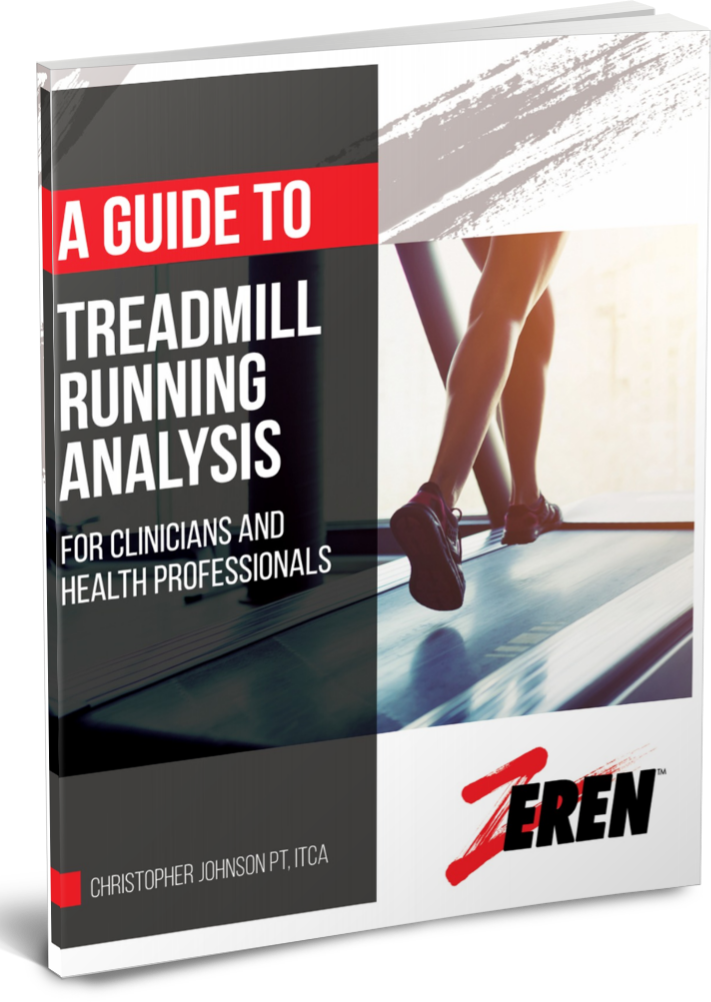
Treadmill running analysis means looking closely at how you run on a treadmill. It studies your steps, speed, and body movements. This helps you understand your running style. It also shows areas where you can improve. The goal is to run safer and better.
Why Is Treadmill Running Analysis Important?
Good running form helps prevent injuries. It also makes running easier and more fun. If you run with bad form, you may get hurt. You might feel pain in your knees, hips, or back. Analyzing your running can help fix these problems.
Also, if you want to run faster or longer, analysis can help. It shows where you lose energy. Then, you can work on those parts to improve your running.
How Does Treadmill Running Analysis Work?
There are many ways to analyze your treadmill running. Some methods are simple. Others use special machines or cameras. Here are some common ways:
1. Video Recording
A camera records your running from different angles. Then, you or a coach watches the video. This shows your foot landing, body position, and arm movement.
2. Sensors And Wearables
Some treadmills have built-in sensors. These measure your speed and steps. You can also wear devices on your wrist or shoes. They track your heart rate, pace, and stride.
3. Pressure Mats
Pressure mats can be placed on the treadmill belt. They measure how your feet hit the surface. This helps find if you put more weight on one foot.
4. Professional Gait Analysis
Some sports clinics use special labs for gait analysis. They use cameras, sensors, and computers. This method gives very detailed information about your running.
Key Elements to Look at During Running Analysis
When you analyze treadmill running, focus on these parts:
- Foot Strike: How your foot lands on the treadmill.
- Stride Length: The distance between two steps.
- Cadence: How many steps you take per minute.
- Body Posture: How you hold your body while running.
- Arm Movement: How your arms swing during running.
- Speed and Pace: How fast you run and keep your speed steady.
Understanding Foot Strike
Foot strike is where your foot touches the treadmill first. There are three types:
- Heel Strike: The heel lands first.
- Midfoot Strike: The middle part of the foot lands first.
- Forefoot Strike: The front part of the foot lands first.
Each type affects your running differently. Heel strike can cause more shock to your knees. Forefoot strike can put more pressure on your calves. Knowing your foot strike helps you choose the right shoes.

Credit: www.themanualtherapist.com
Stride Length and Cadence
Stride length is how far you jump with each step. Cadence is how many steps you take in one minute.
Good runners have a balance between stride length and cadence. Too long steps may cause injury. Too short steps may slow you down.
| Runner | Stride Length (meters) | Cadence (steps/min) |
|---|---|---|
| Runner A | 1.2 | 160 |
| Runner B | 1.5 | 140 |
| Runner C | 1.0 | 170 |
Try to find a rhythm that feels comfortable to you.
Body Posture and Arm Movement
Good posture means running with your body straight. Avoid leaning too far forward or backward. Keep your head up and look ahead. This helps you breathe better.
Arm movement helps balance your run. Bend your elbows at about 90 degrees. Swing your arms forward and back, not side to side.
Speed and Pace Control
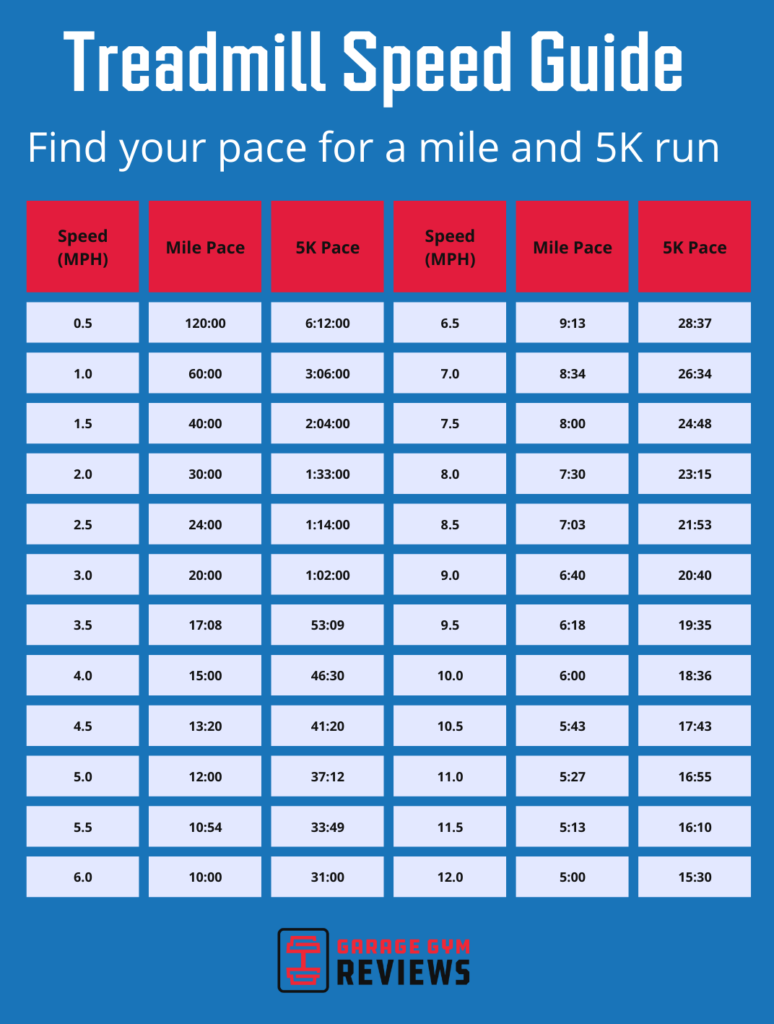
Treadmills let you set your speed. Try to keep a steady pace. Changing speed often can make your run harder.
Start slow. Then increase your speed step by step. This helps your body warm up and avoid injury.
Credit: chrisjohnsonpt.com
Benefits of Treadmill Running Analysis
Running analysis on a treadmill gives many benefits:
- Improves running form: Helps you run more efficiently.
- Reduces injury risk: Fixes bad habits that cause pain.
- Tracks progress: Shows your improvements over time.
- Customizes training: Helps create a plan for your needs.
Tips to Get the Best Running Analysis
Follow these simple tips before your treadmill running analysis:
- Wear comfortable running shoes.
- Dress in light, flexible clothes.
- Warm up with easy walking or jogging.
- Run at your normal pace during analysis.
- Listen to the coach or technician for advice.
Using Analysis Results to Improve
After the analysis, you will get feedback. This may include exercises or changes to your running style. For example:
- Try to land more on your midfoot.
- Increase your cadence to reduce impact.
- Keep your shoulders relaxed.
- Strengthen muscles with special workouts.
Practice these tips regularly to see better running.
Frequently Asked Questions
What Is Treadmill Running Analysis?
Treadmill running analysis studies your running form using a treadmill. It helps spot issues in your stride and posture.
How Does Treadmill Running Analysis Improve Performance?
It shows how you move and where you waste energy. Fixing these helps you run faster and longer with less effort.
What Equipment Is Needed For Treadmill Running Analysis?
A treadmill, video cameras, and motion sensors are common tools. Sometimes, software is used to analyze your running data.
Can Treadmill Running Analysis Prevent Injuries?
Yes, it finds poor running habits that cause injuries. Correcting these habits lowers the risk of strain or pain.
Conclusion
Treadmill running analysis is a useful tool. It helps you run safer and better. With simple steps, you can learn about your running style. Then, use that knowledge to improve.
Remember, running is about having fun and staying healthy. Use analysis to support your goals. Run smart, not just fast. Your body will thank you!